

 Dementia Support Line

Real stories
Losing my dad to Alzheimer's disease: Sarah's story
My name is Sarah and I’m 21 years old. In August 2017, my dad died from Alzheimer's disease. I would like to share my story of being a young carer and experiencing what it is to care for someone living with Alzheimer's disease.
Growing up, my dad was very active. There were 60 years between us but this did not stop him from being involved in every aspect of my life.
He used to take my brother and me on numerous camping holidays, we’d ride our bikes together and we’d have many adventures.
He would always be planning new projects, DIY home improvements and could put his hand to absolutely anything.
Dad's Alzheimer's diagnosis
Dad was diagnosed with Alzheimer's disease in 2011 when I was just 14 years old. At this point, my knowledge of Alzheimer's was very limited.
As time passed and his condition got worse, I slowly realised I was losing my best friend and what that really meant for my life.
Nothing can prepare you for that. Becoming a young carer places new expectations on you; the family dynamic is turned on its head and it leaves you trying to figure it all out whilst still trying to carry on doing what a regular teenager does.
Dementia is often described as the long goodbye and throughout those years I experienced grief and loss.
I found my interactions with Dad changed so drastically that I grieved for the relationship we used to have.
My advice to anyone experiencing this is to try and accept every new challenge and every new stage of their illness as a new chapter.
My love for my dad was unconditional and no matter what this disease did to him, he deserved all the dignity and respect I could give to him.
Caring for my Dad
Dad was cared for at home until 2015 by my mum and I.
During this time we shared caring tasks and were very fortunate that we could work as a team to keep him at home for so long.
Throughout this time I learnt that Alzheimer's can affect every part of a person, from their ability to write, to communicate, they may become confused by time or not know who they are.
Being a young carer meant not only carrying out tasks to physically care for Dad, but it was also about being there for him emotionally, being able to be that friendly face even if he couldn’t remember my name.
Although Dad became very unwell, he never stopped being my dad, he never stopped being a husband, a granddad or an uncle.
There were many times where this was evident to me but this is an example I’d like to share.
In early 2015, Dad was been admitted to an organic condition hospital for an assessment of his Alzheimer's as it was not manageable in a care home.
During this time I used to get the bus from school and go visit him. This one particular time, I was so tired and told him that I’d had such a long day at school.
Even though he couldn’t look after himself or string a coherent sentence together, he made his bed and tucked me up so I could rest and sat there cuddling me.
Feelings of gratitude
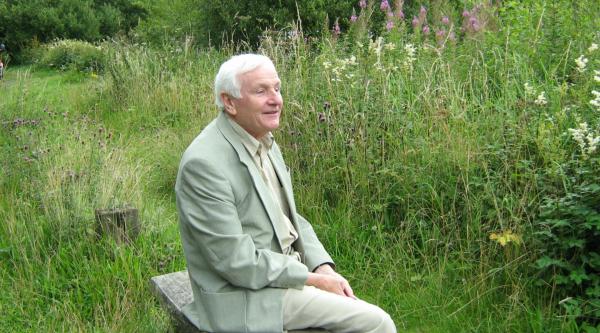
It would be impossible to describe exactly what it was like to care for Dad. The struggles, the tears, the ups and downs.
To see this man, who was always so capable, be debilitated by such a condition honestly broke my heart.
But what I can say is that I am so grateful that I was given the opportunity to give back and care for him like he used to do for me until he became ill.
I’m sharing my story not to say that my experience was all doom and gloom, because every cloud does have a silver lining.
Through Dad's illness, I was inspired to study mental health nursing and I’m now in my third year of the course.
What I would like you to take from my story is the importance of having patience with someone with dementia.
It came very apparent to me that as soon as Dad's condition became prominent, people started treating him differently.
Try and support that person to be able to do things that they enjoy. Little things like involving them in what you do without worrying if they’re not doing it the way you want them to.
Dance with them and show them joy! It's so important for that person's mental health that they feel valued.
I can’t imagine how frightening it must have been for my dad and to this day I admire his bravery and courage throughout his illness.
