

 Dementia Support Line
How does dementia affect washing and dressing?
Find out why washing and dressing can become difficult for people with dementia and get practical tips to help with washing, bathing, dressing and personal grooming.
Supporting a person with washing and dressing
- You are here: How does dementia affect washing and dressing?
- How to prepare to support someone with dementia to wash and dress
- How to support a person with dementia to wash, bathe and shower
- When a person with dementia doesn’t want to change their clothes or wash
- How to support a person with dementia to get dressed or change clothes
- Personal grooming and dementia
A person with dementia, like anybody else, will have their preferences for how they like to wash and dress themselves.
They are also likely to be used to their privacy and making their own decisions.
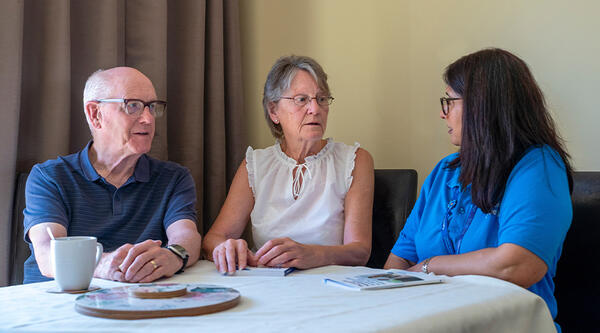
Understanding the challenges
It is important for the person’s wellbeing to have as much control as possible and keep to their preferred routines. However, as dementia progresses, they may begin to have difficulties with:
- remembering the sequence of a task, such as having a shower or putting clothes on
- understanding the objects around them and their purpose or how to use them
- knowing where they are in time and physical space.
These difficulties can make washing and dressing confusing and even distressing. The person may feel self-conscious or embarrassed, which can make it hard for them to accept support. This can be difficult for those wanting to help.
Dementia can also affect a person’s sense of time, as well as sense of smell, which can both prompt tasks. When these prompts are not there, the person may not realise that it’s time to wash themselves or change their clothes.
Some people with dementia may feel there’s ‘no point’ in getting washed and dressed. This can be due to them feeling low or depressed.
Getting support as a carer
Supporting someone with dementia to wash, bathe and dress can be emotionally and physically challenging. Even if you’ve been close to the person for many years, looking after their personal care can be a big step in your caring role. It is common to need extra emotional and practical support at this stage.
If you feel this will be too difficult for you to do, you are not alone and there is support available. You could arrange for professional carers to take over this side of the person’s care.