

 Dementia Support Line
Real stories
Dementia training is the tip of the iceberg of what staff need to provide good quality care
Mary-Joy Albutt is a nurse consultant who founded AIM to Get Better, a training and consultancy agency. She says dementia training for care staff is vital, and it needs to be supported by working culture and conditions.
There have been calls from across the health and social care sector to make dementia training mandatory for care staff.
Without such direction from government, there are disparities in the amount and quality of training received.
It is inconceivable that some care staff receive no dementia training at all.
Many organisations provide an hour’s e-learning, usually lumped in with all the other modules staff complete as part of their induction.
Some organisations provide six hours of face-to-face dementia training, but its quality and benefits are rarely measured in ways that allow for comparison across organisations.
Even if mandatory dementia training is implemented, there would also need to be quality measures in place to ensure disparities do not continue.
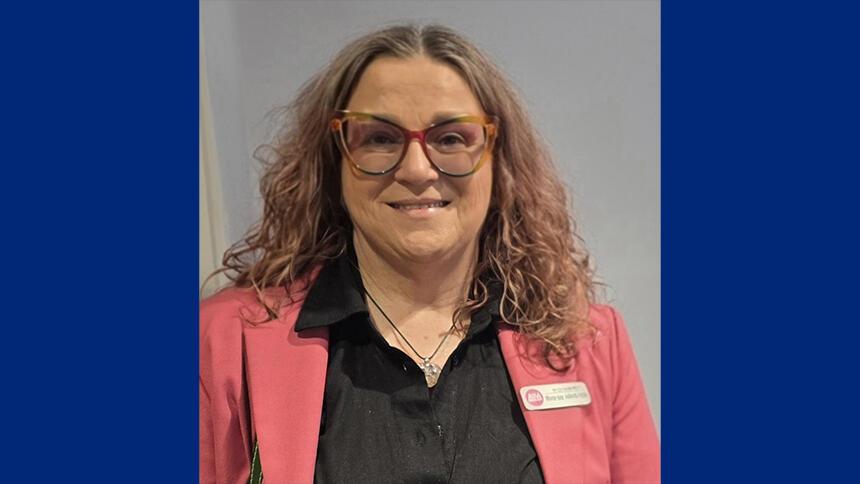
Mary-Joy Albutt
How do people learn about dementia?
Classroom training may provide knowledge about dementia and challenge myths and misunderstandings. It can give an understanding of why and how people express their unmet needs, and how to respond.
But evidence shows it does not teach the practical and relational skills staff need to care for people with dementia – these are learnt through role modelling.
As soon as staff demonstrate the skills required for high-quality, person-centred care, they get promoted. Then, their time is taken up with responsibilities that leave very few opportunities to work with new and less experienced care staff.
We need to create roles with status, recognition and higher pay, but which also keep people with highly developed care skills in a caring role.
There is an argument for care providers to have dementia champions or ambassadors. However, I have seen the inconsistency in training for such roles.
One company offered eight days’ training and an accredited dementia coach qualification, whilst another two provided the same dementia presentation used for all staff, with just two slides added on the end. Again, quality measures need to be in place for any such initiatives.
Working culture and conditions in care
Whatever training is provided, highly skilled care can only be delivered within an organisational culture that supports its implementation.
Staff cannot provide person-centred care if their own personhood is not recognised and nurtured. They cannot put what they have learnt into practice if senior managers make decisions that conflict with this.
In addition, there is no point in training staff in how to provide high-quality, responsive care if staffing levels do not allow them to provide it.
If dementia training is made mandatory without addressing work culture and conditions, staff may be scapegoated when it’s not their fault – ‘They’ve had the training, they just aren’t putting what they’ve learnt into practice.’
If staff know the standards of care they should be providing, but are consistently unable to provide it, it creates inner conflict.
This leads to high staff sickness and turnover, or to them ‘switching off’ and incapable of providing humanistic care.
More than dementia training
Dementia training should be mandatory. But it must be delivered within a work culture that supports humanisation, personhood and emotionally intelligent, relational care.
Classroom training needs to be backed up with structured role modelling, coaching, mentoring and supervision programmes that support the development of practical skills.
Most importantly, organisations need to enable staff to put their dementia training into practice. Without this, training – whether mandatory or not – will continue to be nothing more than a box-ticking exercise.
Demand better for everyone affected by dementia
Sign our open letter calling on government to deliver a bold and ambitious plan for dementia.