Dementia Support Line
Person-centred care
Person-centred care involves tailoring a person's care to their interests, abilities, history and personality.
What is a person-centred approach to care?
Every person with dementia is different, both in terms of the difficulties they experience due to their diagnosis, but also because of their life histories, personalities, other health conditions and their overall needs.
A person-centred approach involves focusing on these specific needs and preferences, and on the personality of the individual, rather than focusing solely on their diagnosis.
It is, of course, important to consider the difficulties that come with a dementia diagnosis, but these should be considered alongside all the other things that make the person who they are.
What are the benefits of person-centred care?
Person-centred care helps to ensure people with dementia are put at the heart of their care, making it easier for professionals and carers to give them the support they need.
This approach can also help with self-confidence and self-esteem. It can make it easier for someone with dementia to stay involved and engaged, take part in things they enjoy and maintain skills.
Person-centred care can also be an effective way to help reduce distress, frustration, agitation and anxiety.

The key points of person-centred care
There is no single definition of person-centred care, but some of the key considerations and principles are:
- Treating the person with dignity and respect.
- Understanding the person's history, lifestyle, culture and preferences, including their likes, dislikes, hobbies and interests.
- Looking at situations from the point of view of the person with dementia.
- Providing opportunities for the person to maintain relationships, social skills and support conversations.
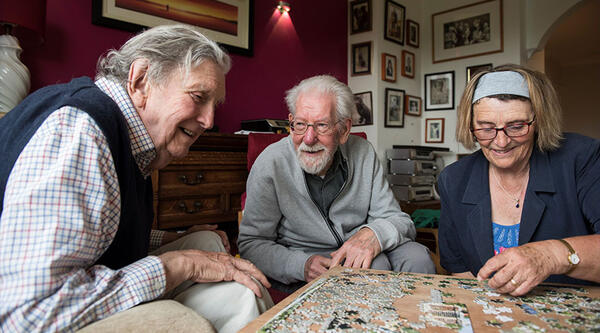
- Ensuring the person has the chance to continue taking part in activities they enjoy, or to try new things tailored to their likes and dislikes.
Family, carers and the person with dementia should always be involved in developing a care plan based on person-centred care.
Their knowledge and understanding of the person, and other people close to them, are very important to make sure the care plan is appropriate and well-tailored.
Listen to our helpsheet below for a summary of the main non-drug treatments for dementia: