

 Dementia Support Line
Take part in dementia research

How to get started
Find out more about taking part in research and identify the right type of study for you. We can support you to:
- Find clinical trials and contact the research teams.
- Register and get matched with different types of research studies.
What is a clinical trial?
Clinical trials involve active testing and are the main way that researchers can identify whether a new approach is safe and effective. They are vitally important in the development of effective dementia treatments.
If you choose to take part, you might be involved in testing a new intervention that aims to prevent, diagnose or treat dementia; or improve care and quality of life.
Dementia studies offer hope. The results of clinical trials often guide healthcare professionals, regulatory bodies and people with dementia in their decisions about treatment for dementia.
Find out more about other common types of clinical trial.

Other research studies
As well as clinical trials, there are many studies that do not involve testing new medications. These focus on understanding the diseases that cause dementia and improving support and services.
This research can focus on the experiences of people living with dementia, or those caring for someone with the condition.
As a participant, you may be invited to complete an online survey, attend a focus group or try out a new device. You can read more about what you might be asked to do in a research study below in our research FAQs.
If you would like to start your research journey, register with Join Dementia Research below. Alzheimer's Society is proud to partner with this national service, which matches people with a wide range of dementia research opportunities across the UK.
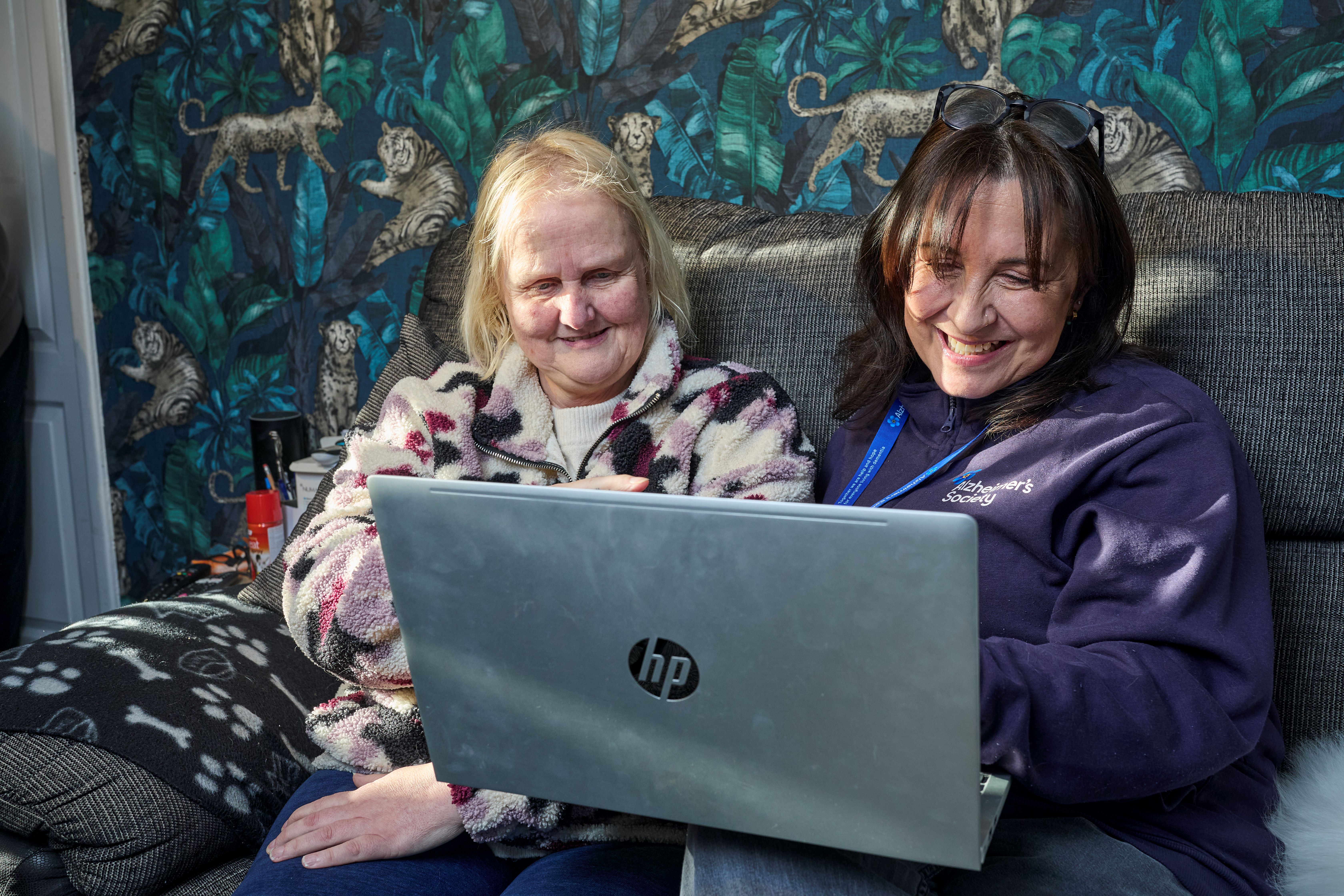
Taking part in research
Everyone has their own reasons for wanting to participate in research. Some of the reasons people have shared with us include:
- To help make a difference in the future.
- Accessing new devices or therapies that might improve symptoms and quality of life.
- Spending more time with healthcare professionals.
- Access to information, tests and support that may not otherwise be available.
- To learn more about their condition and its treatment.
- Having a sense of purpose and control.
Even taking part in a small study can make a valuable contribution to future research and help shape better services and support.
You can read stories from people who took part in research on the Join Dementia Research website.
What’s involved in each study will depend on the questions researchers are trying to answer. Researchers will explain what's involved in their study before you decide if you want to take part.
Studies may take place in a hospital, GP practice or other health centres within a community. Depending on the study, some can also be done at home, online or by telephone – which can take as little as 30 minutes to complete.
Below are some examples of what you might do when participating in a study:
- Take memory or thinking tests, also known as ‘cognitive’ tests.
- Record your symptoms.
- Give blood samples.
- Take new medication.
- Stay overnight in a hospital for monitoring.
- Change parts of your lifestyle, such as exercising more.
- Try out new foods or supplements.
- Fill in questionnaires or surveys.
- Participate in talking therapies.
- Test new technology or wearable devices.
All of the insights gathered in these studies help researchers better understand changes in memory, thinking and behaviour, while also exploring ways to improve diagnosis, treatment and support for people affected by dementia.
Anyone who is a UK resident and over the age of 18 can register their interest in taking part in dementia research.
Each study has its own rules and guidelines as to who can take part. This will depend on the type of study and will be based on things such as:
- the age of the person
- the type of disease
- the stage of a disease
- previous treatment history
- what medical conditions the person has
- any mediation the person is taking.
There are opportunities for everyone to participate in research - whether you have a diagnosis of dementia or Mild Cognitive Impairment (MCI), support a loved one with dementia or are not personally affected by dementia.
It’s always your choice whether to take part and you can change your mind at any time.
Before taking part in research, potential participants will receive detailed information about the study. This will include the risks and benefits associated with participating, as well as information such as which procedures are involved.
The research team will go through this with you, and you will have the chance to ask questions and have these answered to your satisfaction. This will help you make an informed decision whether or not you would like to take part.
Many people find that taking part in a clinical research study is an interesting and rewarding experience.
I would like to underline how easy and rewarding it is. You are doing something good, not only for yourself but possibly for future generations.
Jean, research participant
Participate in dementia research studies
To search for current research opportunities, use our clinical trial finder. You can find a study that suits you and talk to the researchers about taking part.
To get matched with dementia researchers who are looking for people to join all different types of study, register with Join Dementia Research.
Join Dementia Research represents an easy way to register your interest in taking part in dementia research studies. This is a UK-based service that allows people to register their interest in taking part in dementia research.
The service is managed by the National Institute for Health Research in partnership with Alzheimer's Society, Alzheimer's Research UK and Alzheimer Scotland. It helps to recruit people to dementia studies taking place across England, Scotland, Wales and Northern Ireland.