

 Dementia Support Line
What equipment can improve the home of a person with dementia?
Changes can be introduced in the home to make life easier, safer and more comfortable. This can help you go about your daily routine with less assistance for as long as possible.
Using equipment and making adaptations at home
- You are here: What equipment can improve the home of a person with dementia?
- Equipment to improve the home: where to buy it and when is it free?
- Are there grants to help a person with dementia get equipment?
How can equipment help people with dementia?
Equipment doesn’t have to be expensive or complicated to be helpful. Even small, everyday items have been found to make a positive difference to people with dementia living in their own homes.
It is usually a good idea to start using any new equipment as early as possible, so that you can get used to it being part of the daily routine.
Keeping safe and independent at home
Find practical advice to help you live safely and comfortably at home – now or in the future. There is also advice on equipment that can support your independence as a person with dementia.
As dementia progresses, everyday tasks can become harder. However, changes can be introduced which make it easier, safer and more comfortable for you to go about your daily routine independently.
Equipment to help make your kitchen and cooking safer
- If you worry about forgetting to turn off appliances, consider buying appliances that switch off automatically. There are also timers for plugs that will turn appliances off.
- If you have a gas cooker, you can have a ‘locking cooker valve’ fitted with the help of your gas distribution company. This is a gas tap that friends and family can turn off when they leave your home. This means you wouldn’t be able to cook on your own, which may be a difficult decision to make.
- If you have the budget, a fridge with a glass door can be useful, so you can see what is inside without opening it.
- Use timers while cooking to remind you that you have food in the oven or on the hob.
- Consider using a kettle tipper (a frame that a kettle sits on which allows hot water to be poured safely) or buying a tilt-to-pour kettle.
- Look into grip extensions for utensils and appliances. Adapted and easy-to-use bottle, jar and tin openers can also be helpful.
- Tray trolleys can be helpful for transporting items.
- Label cupboards and objects with pictures and words so you can identify them more easily.
- Use clear plastic containers to store food so you can see inside. Use a marker pen or sticky labels to record the date you put them in the fridge or freezer.
- Use brightly coloured cloths, tea towels and kitchen rolls that contrast with surfaces and appliances.
- Non-slip washing up gloves may be helpful.
Equipment to support you in the bathroom
- Non-slip mats fitted in the bath or shower can prevent accidents.
- A grab rail or higher toilet seat can make it easier to use the toilet.
- Plugs that change colour when the water is a safe temperature can be helpful for the bath.
- Flood prevention plugs can be used for the basin and bath. They are activated by pressure, and release water down the drain if the tap is left running for too long.
- If you want to sit in the shower or bath, bath seats and bath boards can be helpful. These lie across the top of a bathtub.
- Long-handled sponges can help with bathing.
- If you have trouble finding the toilet, put a sign with a picture of a toilet and the word ‘toilet’ on the door to make it easier to find. You can also leave the door open to help find it.
- At night, leave the light on in there or use motion sensor lights to help you locate the room.
- If a bin or any storage item in the bathroom could be confused for a toilet, remove it.
- Never take portable heaters into the bathroom.
- If you live alone, never lock the bathroom door.
- Choose fittings with a colour that contrasts to the rest of the bathroom. For example, use towels, a toilet roll holder and a toilet seat that contrast with the wall and floor. This will help you identify them.
- Reduce the hot water temperature on your boiler to avoid scalds.
My mum had a bath lift which was essentially a chair with a fixed back which fitted in the bath with suction pads. This was also provided free of charge by her local authority adults social services team, following a visit from an occupational therapist who assessed mum around the home then recommended it.
– Daughter of a person with dementia
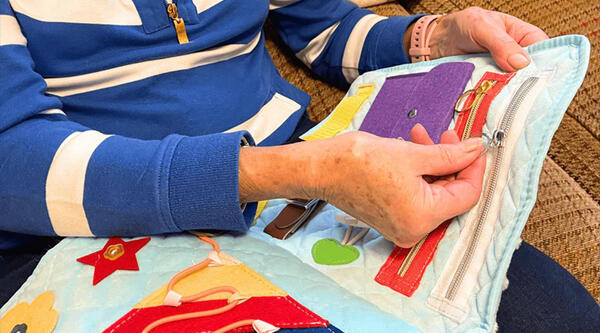
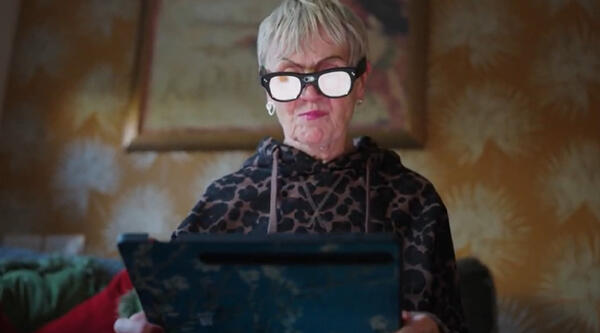
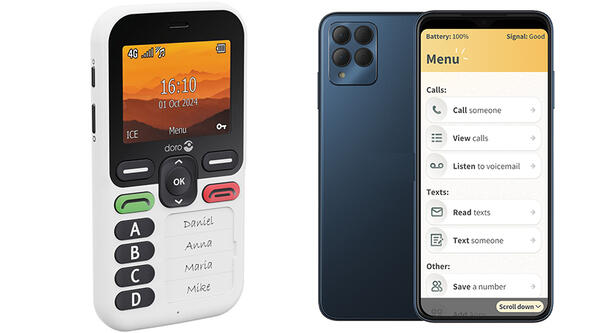
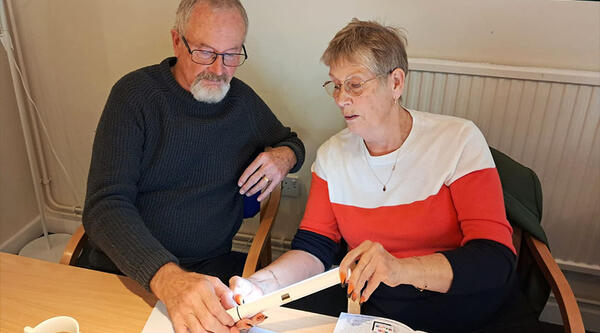
Helpful products for people affected by dementia
Our helpful everyday products are tested and reviewed by people living with dementia and their carers to make sure they are fit for purpose.


If going out and shopping for food is difficult, consider organising food deliveries.
If you find it too hard to cook, you could buy ready meals to keep at home or have them delivered. Speak to your local authority about meal delivery services, as they may be willing to arrange and fund them.
Dementia is likely to affect your appetite, the way you eat, and how you prepare meals. Here are some tips on techniques and equipment that can support you: