Dementia Support Line
‘Dementia is still a taboo’: Actor Manjinder Virk launches powerful new film
The film, about a family affected by dementia, challenges stigma, encourages conversations and shines a light on the impact dementia has on carers.
Award-winning actor, writer and director Manjinder Virk has collaborated with us on a powerful new short film, 'Dekho', which shines a light on the devastation dementia causes families and carers across the UK and the stigma that still exists around the disease.
About the film
'Dekho' is told through the eyes of a ten-year-old British Asian boy who is trying to find a connection with his grandmother, who has dementia.
No longer able to speak English, she has reverted to her native language Punjabi and moves in with him and his mother who has become increasingly distracted due to the pressure of caring for someone with dementia.
The film explores how dementia can reshape family relationships, caring responsibilities and communication across generations.
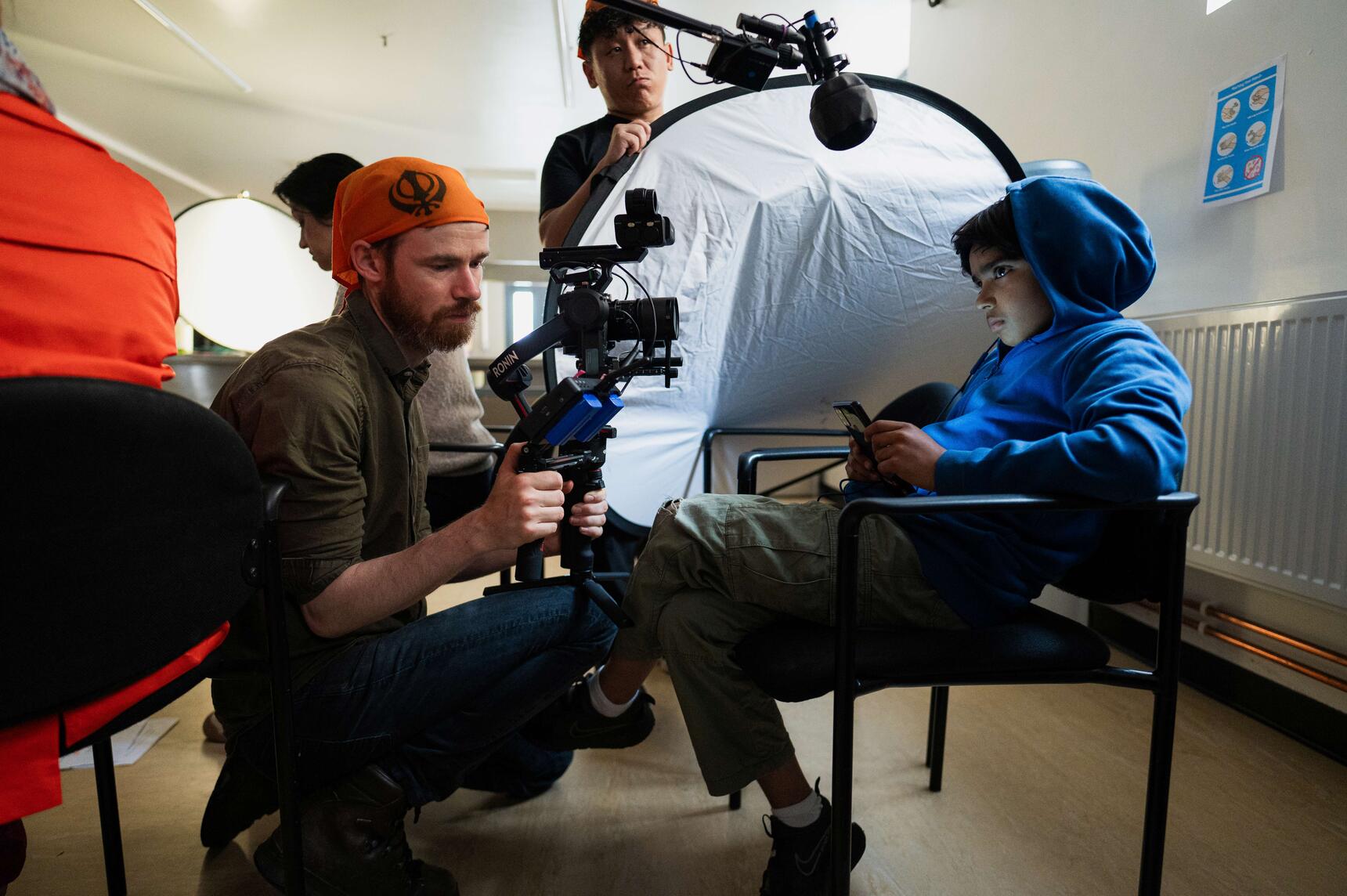
Behind the scenes of 'Dekho'.
Dementia in South Asian communities
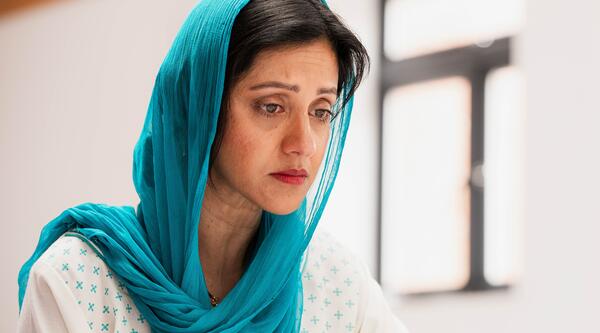
Manjinder Virk says she was inspired by her personal experience of dementia. Her mother lived with vascular dementia for ten years before she passed away in 2023. She said:
'I was inspired to make this film as I wanted to find a way to engage with my wider family and community by encouraging them to talk about dementia. Dementia is still a taboo in many South Asian communities.
'In Punjabi, there isn’t even a word for dementia. In my experience, this makes it so much harder to talk about it and reach out for help.
'When you are living and caring for someone with dementia, and trying to balance work and being a parent, it can be extremely difficult - emotionally, practically and financially.
If there is little support, it can leave carers feeling more alone and desperate. I wanted to explore that experience in my film. Caring for someone with dementia is demanding in every way and the impact on families is often overlooked and can be devastating.
'I wanted to tell this story from a child's point of view trying to find a way to connect with his grandmother. Though we have many resources for adults, we often overlook the effect it might have on young people.
'Watching my children struggle to understand what was happening to their nanny was difficult, yet they had moments of love and connection, which were incredibly powerful.
'Dementia affects everyone, young or old, regardless of background.'
The impact of delayed dementia diagnosis
The film, released during World Alzheimer’s Month, supports research from Alzheimer’s Society which found nearly half (43%) of people caring for someone with dementia say they have reached breaking point and felt unable to cope.
Earlier this month, the charity also revealed the devastating consequences of dementia diagnosis delays on carers’ work, finances and mental wellbeing.
A survey found that nearly half of people (45%) waited more than six months for a dementia diagnosis after first seeking help, with nearly half (46%) saying the wait had affected their work. Three in ten also reported sleepless nights or feeling as though life was on hold.
Challenging stigma in South Asian communities
The film also aims to challenge stigma and encourage conversations about dementia within South Asian communities. As Manjinder says, there is no word for dementia in Punjabi, the third most spoken language in the UK. The same is true of Hindi, Urdu, Gujarati and many other South Asian languages.
It's crucial to have conversations about dementia in these communities as population projections suggest that by 2050, more than 400,000 people living with dementia in the UK will be from ethnic minority communities.
Risk factors for dementia such as high blood pressure, obesity and diabetes are also more common in people from Black and South Asian communities.
Demanding better for everyone affected by dementia
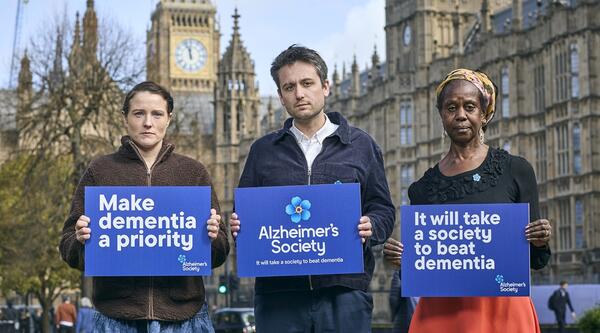
Michelle Dyson CB, CEO of Alzheimer’s Society, said:
'This film is a powerful reminder that dementia affects everyone, not just the person living with it. We are grateful for Manjinder’s sensitive approach and passion to shine a light on this incredibly important topic.
Unpaid carers are the backbone of dementia care. 1.8 million people provide care to people living with the condition in England, yet too often they are left to cope alone without the support they need. The reality is that too many carers and families are at breaking point.
'We must ensure that families get the support they need, from diagnosis to the later stages of dementia. People living with dementia should receive an accurate diagnosis and, crucially, a care plan and access to appropriate treatment, within 18 weeks of referral.
'This already exists for other major health conditions. It’s achievable and is what families affected deserve.'
Manjinder added: 'One of the hardest things I experienced was navigating the care and support system.
'It often feels as though people don’t receive help quickly enough and that our current systems aren’t strong enough to deliver support to everyone who needs it, especially those who cannot speak up for themselves.
There simply isn’t enough support for carers. We must do better.
Watch the film
'Dekho' shines a light on the experience of carers and encourages conversations about dementia within South Asian communities