Dementia Support Line
Reports expose a dementia care system failing patients at every stage
New reports highlight diagnosis delays, early signs of dementia going unnoticed, people being left without support and treatment inconsistencies.
Opportunities are missed at every stage
New findings published today by Alzheimer’s Society reveal that dementia patients routinely face prolonged delays to diagnosis, followed by gaps and stark inequalities in treatment and support - highlighting the need for the same focus and urgency seen in other major conditions.
Delays of this scale have quietly become routine for dementia, the UK’s biggest killer, but would not be accepted for cancer or heart disease.
This one-of-a-kind analysis to examine the entire dementia diagnosis and treatment pathway reveals patients are not just delayed once, but are repeatedly missing opportunities for diagnosis, treatment and support at every stage.
Unlocking the door to dementia diagnosis and treatments
The findings on delays, missed opportunities and abandonment
- Diagnosis delays: From first symptoms to diagnosis, people wait an average of 3.5 years - with almost six months of that spent waiting for diagnosis after a GP referral to a memory clinic.
- Early signs going unnoticed: Nearly 250,000 people in England are diagnosed with early memory problems, yet there's no national system in place to monitor progression to dementia. And those with suspected dementia are falling through the cracks with nearly 75% of GPs acknowledging long waits for diagnosis.
- Left without support: One in five say they received no support after diagnosis, with families describing being 'released into the wild'.
- Treatment inconsistencies: Only half of those prescribed dementia medication remain on it for a year, despite benefits of continued treatment.
Government action can't wait
We're calling on the Government to treat dementia like other major conditions by introducing clear national targets for early diagnosis and ensuring equal access to treatment and support without delay.
Michelle Dyson CB, Chief Executive of Alzheimer’s Society, said:
'Dementia care in the UK is stuck in a system of delay, denial and neglect. In the digital age of instant answers, people are still waiting far too long for a diagnosis of the country’s biggest killer. That would never be tolerated in cancer care, yet for dementia it has become routine.
At every stage, people are missed. Symptoms are missed, diagnosis is delayed, and support often comes too late to be that lifeline so desperately needed by people with dementia and their loved ones.
'This is not a backlog problem. It is a system that is missing people at every stage and while the system waits, dementia progresses - stealing time, independence and dignity. While politicians race to cut waiting lists, people with dementia aren't even in the queue. Government action can’t wait.'
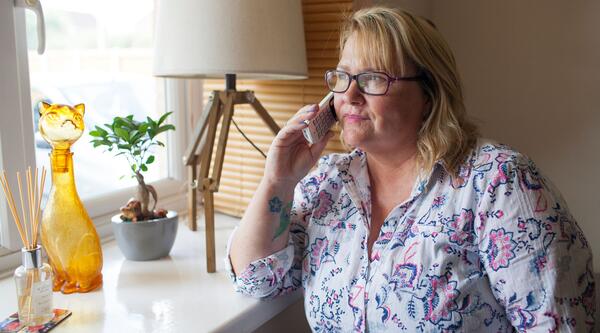
Anita, 50, waited seven years for a diagnosis after her symptoms were repeatedly dismissed as stress, anxiety and menopause. She said:
'I knew something wasn’t right, but no one listened. By the time I was diagnosed, I had lost my job, my independence and my future. I’ve had cancer, heart disease and strokes, and each time the NHS responded quickly and effectively.
When I was finally diagnosed, I was told over the phone by a receptionist, and then that was it. Imagine if that happened with cancer.
Why dementia diagnosis and the care system has to change
On average, people wait 3.5 years from first symptoms to diagnosis, including a 22-week wait after referral and even then, one in five report receiving no support at all after diagnosis.
The analysis shows how these failures compound: many people miss early warning signs, face long delays to diagnosis, and then fail to receive recommended treatments or follow-up care. Access varies widely by postcode, deprivation and ethnicity.
Around one million people in the UK are living with dementia, a number expected to rise to 1.4 million by 2040. Dementia already costs £42 billion a year, a figure projected to more than double to £90 billion by 2040.
Without urgent action to fix the diagnosis and care system, the charity says delays will continue to push people into crisis faster, increase emergency hospital admissions, and place growing strain on health and social care services.
The findings form part of our ‘Unlocking the door’ reports, which bring together our own research, clinical perspectives and data, and insight from people with lived experience of dementia.
We've released them ahead of our biggest annual fundraising campaign in June - the Forget Me Not Appeal – raising vital funds to support people affected by dementia.
Read the reports
Learn more about our 'Unlocking the door' on dementia reports.