

 Dementia Support Line
Keeping safe and independent at home
Find practical advice to help you live safely and comfortably at home – now or in the future. There is also advice on equipment that can support your independence as a person with dementia.
Keeping safe at home
- You are here: Keeping safe and independent at home
- Staying safe and secure at home
- Keeping safe: reducing the risk of fire
- Keeping safe: reducing the risk of accidents and falls at home
Living with dementia at home
This information may feel overwhelming at first. You might not need all of it right away. But it can be a good idea to put things in place before you need them.
If you like being independent, accepting help can be difficult. You might feel as though you have less control. However, letting people know about your diagnosis and asking those around you for help when you need it may mean you can stay living alone for longer.
How to keep safe at home when you have dementia
You may find you’re having difficulties keeping safe. For example, you might sometimes forget to turn the lights or oven off, or find it harder to use stairs. By making some changes, you can stay safe in your home and enjoy your independence for longer.
You might need to think a little more about how you do some things. There may be equipment or technology you can get or buy to help you with specific problems.
Everyone experiences dementia in their own way. You may need to try some of the ideas listed over the next few pages to see what works best for you.
Support services
You can get help with aspects of living at home from your local authority and different health professionals.
They can offer advice on staying safe at home and identify how to do some of the things around the house that you’re finding difficult.
Assessments and paying for support and equipment
Social services departments (known as health and social care trusts or HSCTs in Northern Ireland) have a duty to assess the care and support needs of a person with dementia.
Everyone has the right to an assessment. This can be helpful to find out what is available locally and what may help you maintain your independence. Support can range from professional carers to community alarms.
Assessments must be provided free of charge, but social care is usually means-tested. To decide whether you qualify for funding towards care, social services may carry out a financial assessment.
Care needs assessments
This page looks at how a person with dementia can get a care assessment, how they are carried out and what to expect once it's been completed.

Some aids and minor adaptions are arranged by social services teams but cannot be means-tested. This means they are provided free of charge, regardless of your income and savings.
Adaptations to make daily tasks safer and easier could include:
- shower chairs
- small ramps
- stair rails
- higher toilet seats.
Larger adaptations, such as stairlifts and concrete entrance ramps, may be chargeable. It will depend on your assessed needs and the policy in your area.
Local authorities and trusts can share information on what support is available from them and separate organisations in the community. Services could include help with meals, cleaning, transport and more.
Professionals who can help
The following health professionals provide support to make things easier and safer at home.
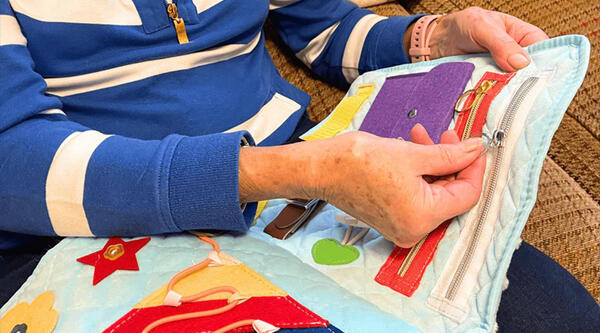
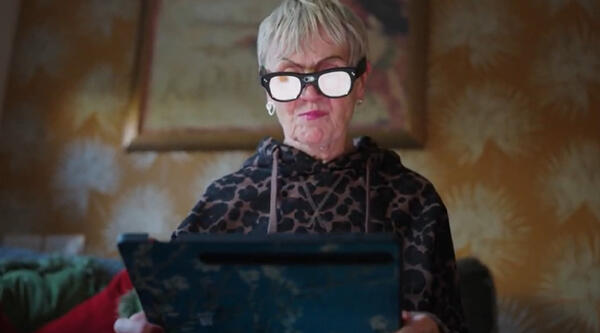

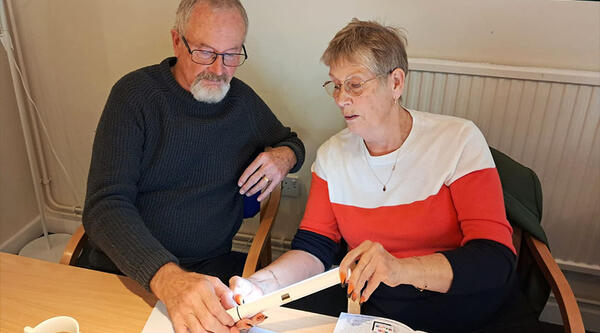


They can advise on equipment and strategies to help with everyday activities at home. They can visit your home to carry out an assessment. They might also suggest and arrange adaptations such as handrails.
You can contact them through the GP or hospital consultant, or through social services at the council. For private occupational therapists, contact the Royal College of Occupational Therapists.
Also know as ‘chartered physiotherapists’, they can suggest ways of moving around safely.
They also advise on mobility aids, such as wheelchairs or walking frames. Physiotherapists can be based in hospitals, or speak to your GP about a referral.
For private chartered physiotherapists, contact the Chartered Society of Physiotherapy.
District nurses can advise on equipment and adaptations for nursing someone at home. They can be contacted through your GP or health centre.
These advisers give advice and information relating to incontinence. They can suggest specific aids and equipment to help with this. They can be contacted through your GP or health centre.