

 Dementia Support Line
Information
Why is a person with dementia more likely to have a fall, and what can you do to help?
How can you reduce the risk of a person with dementia having a fall, and what should you do if it happens?
Dementia and the increased risk of falls
There are many reasons why falls are a risk for people with dementia.
It's partly because dementia is more common in older people. That means they're more likely to have weaker muscles and problems with balance.
But dementia itself makes a difference too, in various ways.
Dementia can affect how well someone perceives and judges distances, making it easier to miss a step.
The person could forget they now need to take care when getting up from a chair or moving around their home. They might not think to ask for help when they need it, or they may want to avoid a fuss.
Perhaps they're confused about where they are, or they've forgotten the room has been rearranged. Either way could mean that a chair, table or step is not where they expected it to be.
Ways to make your home dementia-friendly
By making some changes around the home, people with dementia can more easily continue with the routines they're used to or activities they enjoy.
The risk of a fall from rushing
Dementia can affect how a person understands their body's needs. They could trip from rushing if they suddenly realise that they’re hungry or need the toilet. Or they may believe they need to get somewhere urgently when they do not.
Memory aids could help the person keep track of where they are and what they need to do. These include day clocks and reminders to stay hydrated or to use the toilet regularly.
Feeling dizzy, lightheaded or drowsy can also be side effects of a person's medications. Speak to their GP if that could be a problem.
Helping a person with dementia to avoid a fall
Fortunately, there are many ways to help someone to stay safe and avoid having a fall. These include:
- Keeping things in order and reduce clutter
- Having good natural and artificial lighting
- Keeping floors safe and clear
- Putting up signs to find rooms more easily
There are also ways to adapt furniture and fittings so they're easier to use and walk around. Read our tips on reducing the risk of falls at home.
If you think someone is at risk of having a fall, speak to their GP. They can check things that affect how steady the person is on their feet, such as their blood pressure.
Their GP could refer the person for help from a physiotherapist, occupational therapist or falls prevention service.
Social services can also refer someone to an occupational therapist. In addition, they could do a care needs assessment. This would involve visiting the person's home to see if handles or other support can be put in place.
Preparing to deal with a fall
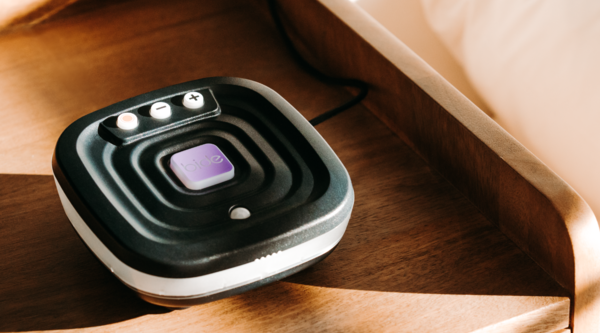
There are telecare devices that detect when a person has a fall and send an alert to a named contact, so help can be sent quickly.
The person could wear a fall detection device around their wrist or neck. Or you could install sensors around the home that monitor for falls.
Perhaps the person could wear a pendant alarm to call for help if they have a fall. Fall detection devices often have an alarm button as well.
Alternatively, encourage the person to keep their mobile phone with them.
If the person already uses a smart speaker, they could use that to call for help after a fall. If they don't but could learn and remember how to use one, it may be worth considering.
If a person with dementia has a fall
- Call 999 if the person has injured their head, back, neck or hip, or if they have another serious injury or cannot get up.
- Call 111 or get help from 111 online if they're in pain, injured or feel generally unwell.
- Even if you do not think they're hurt, speak to the GP so that they can check.
After dealing with the immediate situation, think about how the fall happened. Is there anything that could help to prevent another fall?
For example, if the person was squeezing between the sofa and a table, could you make more space for them?
For further help, you could ask their GP or social services to refer them to see an occupational therapist. Social services can also arrange a care needs assessment.
Have another look at 'Helping a person with dementia to avoid a fall' above for more tips.
More guidance on reducing the risk of accidents and falls at home
You can find more advice and tips to support people living with dementia to avoid accidents at home, including making sure their home is clear and safe to reduce the risk of falls.