

 Dementia Support Line
Research
2025: Looking back at an exciting year for research at Alzheimer’s Society
We described 2024 as the biggest year for dementia research yet - and now, 2025 has proved to be just as impactful.
A new era of hope
There are more drugs being tested in more clinical trials than ever before. New ways of accelerating diagnosis. And new innovations and technologies helping aid people living with dementia to maintain independence.
There is a real recognition of hope in dementia research. We are entering a new era of understanding.

This year alone we invested over £18.5 million into dementia research and innovation activities. Our research continues to push boundaries to make a real difference for people living with dementia, now and in the future.
Here are just some of the exciting things we did at Alzheimer's Society in 2025:
Transforming dementia diagnosis with blood biomarkers
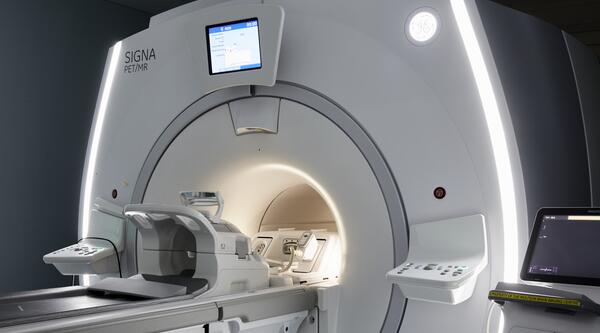
The beginning of the year saw the first ever UK patient have a blood test for dementia through the Blood Biomarker Challenge.
As part of this project, two research teams are assessing how these diagnosis tests could be used to detect dementia at various stages. And importantly, generating the evidence needed for them to be used in the NHS to improve dementia diagnosis.
One team is looking at blood tests for a range of dementia types, including Alzheimer’s disease, vascular dementia, frontotemporal dementia and dementia with Lewy bodies. The team welcomed the first participants to the trial at the start of the year.
The second is focusing on tests measuring a specific form of the protein tau called 'p-tau217'. p-tau217 is the most promising biomarker for Alzheimer’s disease, reflecting the presence of both amyloid and tau in the brain, both of which play a significant role in the development of some dementias. Now, the first participants have been recruited into this major clinical trial.
This is a collaborative project with Alzheimer's Research UK and the National Institute for Health and Care Research.

Laura Rooney, Lead Dementia Research Nurse
Alzheimer’s Society Research Nurses to transform taking part in research
In 2025, the UK Dementia Trials Network (UKDTN) was established, and the first Alzheimer’s Society UKDTN Dementia Research Nurses began in their roles. Our brilliant Nurses will support people to find opportunities to take part in research, make informed decisions about participating and stay up to date with the progress of the studies they’re part of.
They'll also focus on working with a range of local groups and initiatives to increase recruitment of people from diverse backgrounds into trials, so we can ensure new treatments will benefit everybody.
Alzheimer’s Society UKDTN Dementia Research Nurses, led by Lead Research Nurse Laura Rooney, have now begun their new roles, working in the NHS to accelerate the delivery of early-phase clinical trials for dementia.
Our research nurses will be working within 20 UKDTN sites across the UK, aiming to make the UK the best place in the world to run clinical trials. You can read more about the first three nurses who have begun in London, Southampton and Sheffield. We cannot wait to meet the new Nurses joining the network in 2026!
The latest in new Alzheimer’s disease drugs
There’s no doubt the final guidance from the National Institute of Health and Care Excellence (NICE) on lecanemab and donanemab was disappointing. Their decision that the drugs should not be provided on the NHS was setback for people with Alzheimer's disease.
There was further disappointing news in November, when we learned that the weight loss drug semaglutide did not slow down the progression of Alzheimer’s disease. The researchers noted some Alzheimer’s disease related biomarkers improved, meaning there were signs the drug may have had an impact in the brain, but this did not translate into slowing the progress of the disease.
But we have not lost hope.
In other diseases like cancer, treatments have become more effective, safer and cheaper over time. It’s essential we see similar progress in dementia.
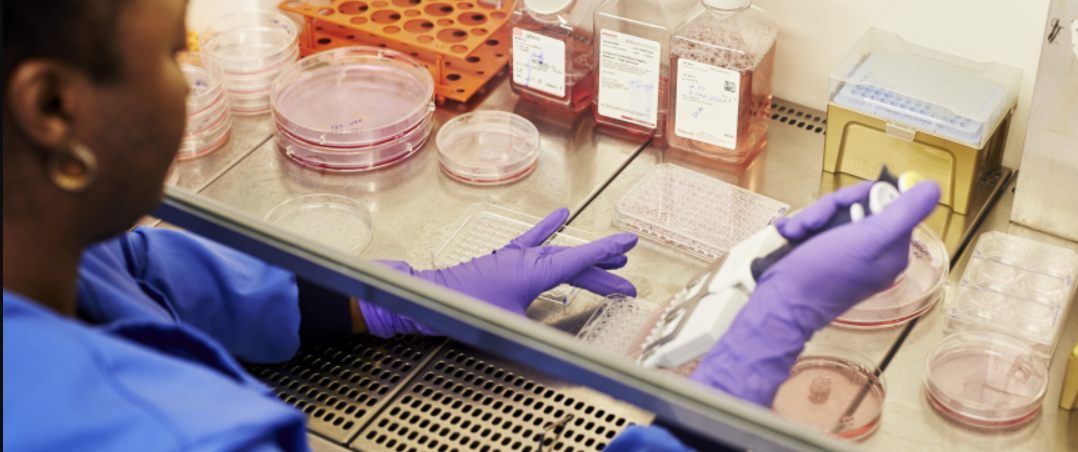
There are over 130 drugs in trials for Alzheimer’s disease, more than have ever been in the pipeline before. Around 30 are in late-stage trials, the final step before they are considered by regulators.
Research funded by Alzheimer’s Society has identified three existing medications that could be repurposed to treat or prevent Alzheimer’s disease.
Developing entirely new drugs from scratch can take 10 to 15 years and can cost billions of pounds, with no guarantee they will work. Repurposing medicines already approved for other conditions offers a quicker, safer and cost-effective route to potential new treatments for dementia.
The research, led by Professors Clive Ballard and Anne Corbett at the University of Exeter, found that the most promising existing medicines are:
- Shingles vaccine – may help the immune system protect against changes seen in Alzheimer’s.
- Sildenafil (Viagra) – shown to protect brain cells and reduce harmful protein build-up in the brain.
- Riluzole – currently used for motor neurone disease, it could improve memory and thinking skills while reducing harmful protein build-up in the brain.
The experts recommended that these drugs now be tested in clinical trials to understand their benefit for people with or at risk of Alzheimer's disease.
New drugs for Alzheimer’s disease
Read more about what we know so far on these potential new drugs for Alzheimer's disease.
Training the next generation of dementia researchers
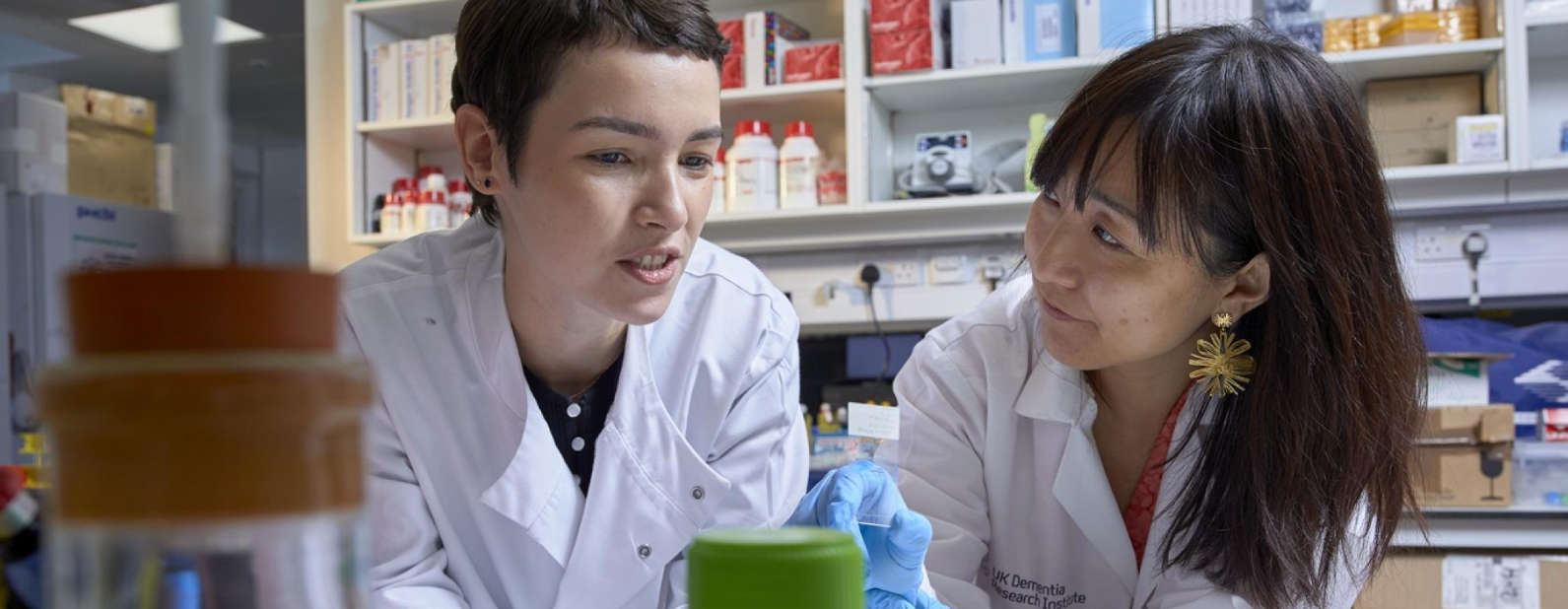
Alzheimer’s Society recognises the importance and value of the next generation of talented and motivated researchers. This year, we were delighted to welcome new PhD students at each of the three Doctoral Training Centres (DTCs). These Centres create communities and support talented new researchers to build a career in the field.
Find out more about our DTC students and why they’re excited about being part of our DTC.
We’ll continue to invest in the dementia leaders of the future in 2026.
Supporting innovation that helps people living with dementia
Our investment programmes are designed to support innovators to boost their new dementia products and bring them to market, delivering help and hope to people living with dementia. Through the programmes, all partners benefit from working directly with people affected by dementia, alongside access to specialist expertise to strengthen their products, evidence and routes to impact.
The Accelerator Programme is an 11-month programme, offering up to £100,000 of investment along with business support and access to members of our Innovation Collective – a community of experts by experience and experts by profession across the dementia and innovation worlds.
Our current partners, who we have been supporting in 2025 into 2026 are:
- Kneu Health is a health technology from the University of Oxford. Their technology turns people's phones into a medical device. This enables healthcare teams to track patients' conditions longitudinally and objectively, supporting more personalised care plans.
- Urinfo is a convenient and easy to use digital tool for the toilet that monitors hydration status, keeping carers and family members remotely updated on the health of their loved one.
- NeUro is a digital UTI detection and triage platform designed for people with dementia. It helps identify early signs of infection, enables rapid laboratory testing and connects carers to a 24/7 clinical triage team, addressing the critical delay in UTI diagnosis.
More innovation updates coming soon
The Launchpad Programme supports early-stage innovators to enter the dementia space and to commercialise ideas to change the future of dementia care and support. In 2025 the Innovation team welcome the first ever Launchpad cohort. We will be sharing more about these ideas in the coming months.
The Longitude Prize on Dementia has awarded £3.4m in funding to the development of multiple new technologies that use AI and machine learning to help people living with dementia maintain their independence.
Last year five finalists were announced, including a smart watch companion, a discreet technology to alert families if home routines have become disrupted, smart glasses, a fall and wandering alert system and a video phone specially designed for people living with dementia. We will announce the £1 million prize winner on 18 March 2026.
Support dementia research
Thank you for helping us fund more research into the cause, cure, care and prevention of dementia.