

 Dementia Support Line
PhD Student Anisha Sivakumar
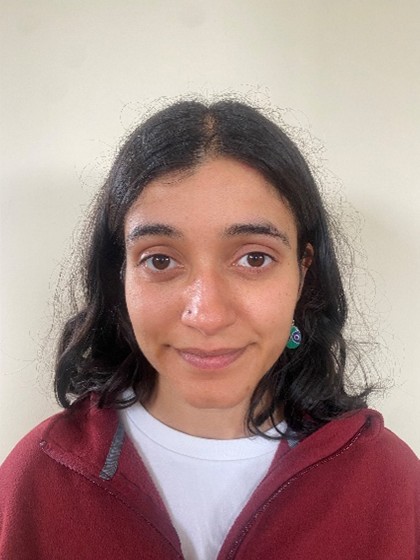
Meet Anisha Sivakumar. Supervised by Dr Katie Murray and Dr Harry Pritchard at the University of Manchester, Anisha’s research aims to understand the mechanisms behind reduced blood flow to the brain in vascular dementia.
Anisha's project is focused on:
Exploring the ability of the blood vessels that supply the brain to adapt to change under conditions of high blood pressure
Reduced blood flow to the brain is a key trait of vascular dementia. This can be due to several mechanisms such as narrowing of the arteries that supply blood to the brain and blockages in small blood vessels. This can lead to areas of the brain dying, which causes cognitive decline and ultimately the symptoms of dementia.
Using a novel animal model, we aim to understand the real-time impact of high blood pressure on the blood vessels that feed the brain, following a sudden blockage of a blood vessel.
Tell us about your project
We will use a new animal model which allows us to observe and track the blood vessels of live mice in real time. This gives us the opportunity to see how tiny brain blood vessels change, repair themselves, or become blocked under conditions of high blood pressure.
This model also allows us to test commonly prescribed blood pressure medications to see whether they improve the brain’s ability to repair damaged blood vessels. We will look at how quickly vessels reopen following a blockage, how many vessels survive long-term, and how these changes affect brain health, thinking ability, and memory.
Overall, this work could reveal new ways to protect the brain from damage caused by high blood pressure and help reduce the risk of vascular dementia using high blood pressure treatments that are already available to patients.

What does it mean to you to be a part of Alzheimer's Society Doctoral Training Centre?
The multidisciplinary expertise within the Doctoral Training Centre is very exciting to me, and I am very grateful to be a part of this driving force for change within dementia research.
The fact that we are the next generation of future dementia researchers that can make a difference to the lives of those living with dementia is what inspires me, and to learn from other researchers in the Doctoral Training Centre is a fantastic opportunity.
Meet our PhD students
Our Doctoral Training Centre will train 29 passionate PhD students over 8 years. Find out more about their cutting-edge research and how they’re working to improve the lives of people affected by dementia.