

 Dementia Support Line
Advice
What to do when someone makes an unkind joke about dementia
Not all jokes about dementia are funny, or welcome. We want to make sure hurtful comments about dementia become a thing of the past.
Humour can be helpful in many ways – by improving mood, helping people see situations in a less serious way, maintaining relationships, and reducing stress and anxiety. But some jokes can be hurtful, cruel and unnecessary.
Generally, if a person with dementia is the target of the joke, or is not let in on the joke, this can be harmful and upsetting.
Humour as a coping mechanism
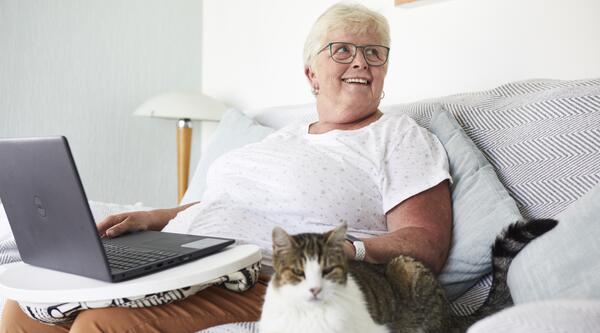
Humour can be very helpful for people with dementia, as well as their family members, friends and carers. Humour can be used as a way to cope with difficult, distressing and emotional events.
We often have supporters get in contact to tell us about the lighthearted, sometimes funny, moments of living with a diagnosis. We encourage them to continue to talk about times like these.
Every experience of dementia is different – we understand and respect that.
The types of jokes we want to challenge are the tasteless, misinformed comments made about dementia, or about people living with the condition, or about famous people where the joke is that they ‘probably have dementia’.
These only heighten the stigma associated with dementia and can have a negative impact on those affected who may read or hear them.
Five ways to challenge unkind dementia jokes
If you experience ignorant comments or unkind or cruel jokes, you may feel like you want to correct or educate the person making them.
Here are our tips on how to challenge hurtful dementia 'jokes’:
1. If you don’t find it funny, don’t laugh at it
It’s tempting to go along with everybody else in a group and laugh along, but if someone makes a joke that you find cruel and unfunny, not laughing is the simplest way to show that you didn’t like it.
2. See the person, not the dementia
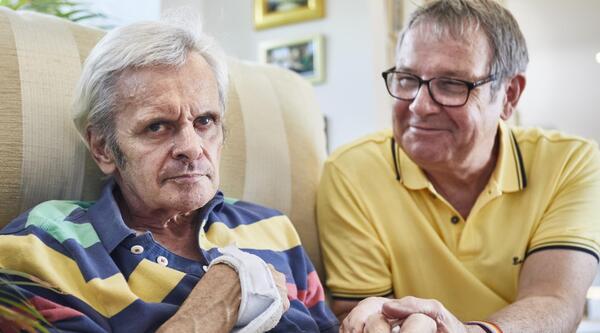
Remind the person telling the joke that dementia is not the defining aspect of a person, their personality, or their life.
3. Explain that it's not funny for everybody
Ask the person to think about whether they would tell that joke in front of a person with dementia, or their family members or friends. What one person finds funny might be upsetting for someone else.
4. Remind them that kind jokes contribute to the stigma
Explain that ignorant comments and jokes spread wrong information and increase the stigma around dementia. By telling the joke, they are making it harder to break the stigma for people affected by dementia.
5. Be open to learn more
Encourage them to find out more about dementia. They can find accurate, reliable information on our website, and real, personal stories from our blog. They could also become one of our Dementia Friends.
Become a Dementia Friend today
Our Dementia Friends initiative is the largest in the UK, helping change the way the public thinks, feels and talks about dementia. Attending a Dementia Friends information session is a good way of learning more and changing behaviours.