

 Dementia Support Line
Learning Hub: Other organisations
Across all organisations and sectors, you will come into contact with people living with dementia. From community and volunteering groups to housing and tourism, our e-learning courses can help develop your knowledge and skills in supporting people living with dementia across all sectors.
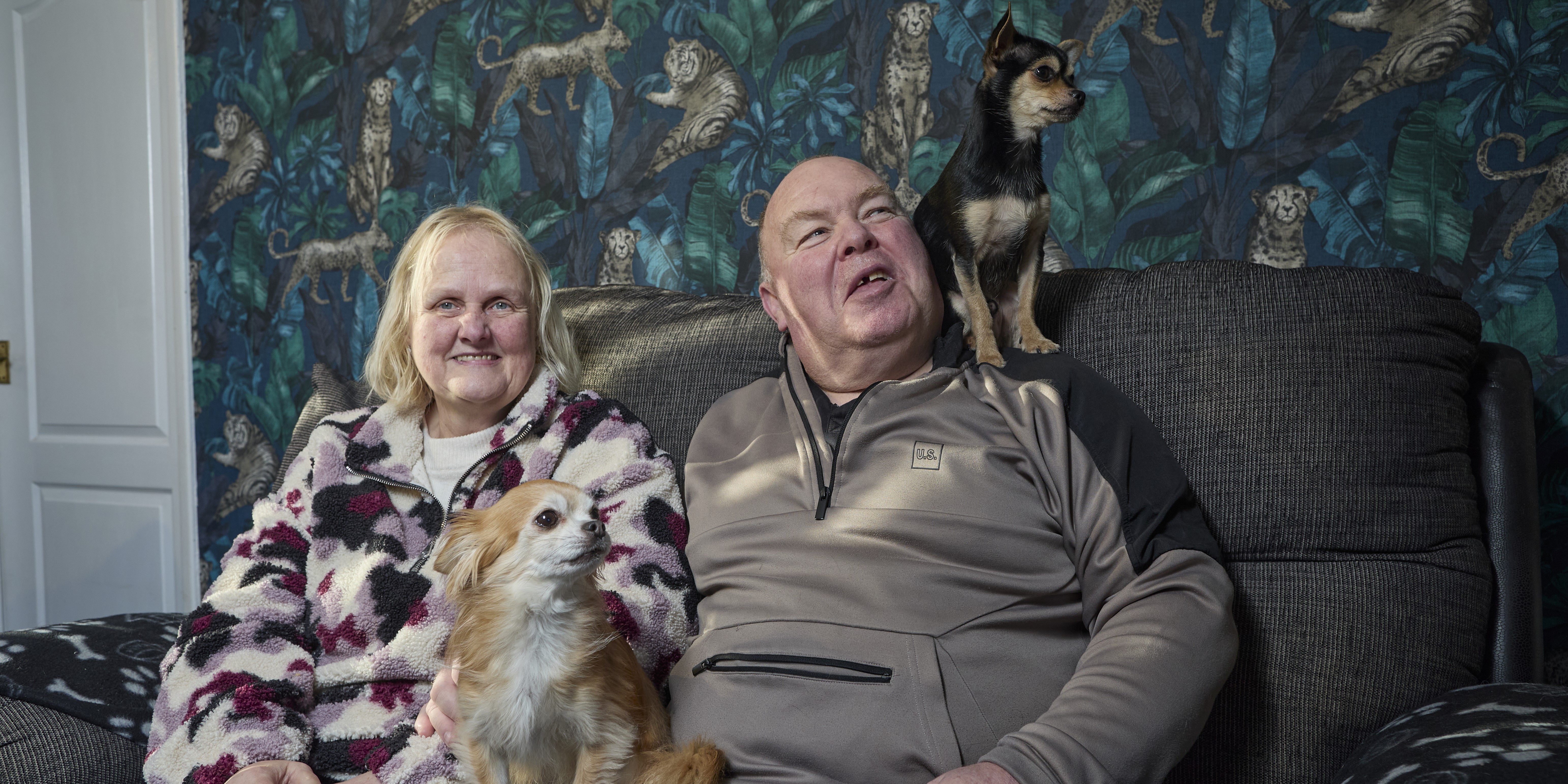
Dementia courses for you and your community
Improve your knowledge and understanding of dementia through our wide range of interactive dementia courses.
For organisations or anybody looking for more than one login or a learning package, please make an enquiry and our team will get back to you with a quote.
You can browse all courses on our Learning Hub, or read more about the options below which we've identified as offering the most value to you.
Learning about dementia
Learning about dementia care
This interactive course is designed to help you understand how dementia can affect a person’s communication skills and engagement with social interactions and activities.
We will explore communication techniques that will help you to meaningfully interact with people affected by dementia and ways to provide person-centred care and support.
We will also learn how to help people in the early stages of dementia to remain active and independent and how to enable them to continue to enjoy activities and hobbies for as long as possible.
Learning outcomes:
- Identify barriers to meaningful engagement for people in the early stages of dementia
- Learn communication skills
- Understand the principles of person-centred care and support and how to apply them in practice
- Learn ways to help people in the early stages of dementia to remain active.
Course level: Intermediate
Add to basket: Engaging with people in the early stages of dementia
As dementia develops, it can cause behavioural changes that can be confusing or difficult for the person living with dementia and those supporting them.
This course is designed to help you to understand the behaviours that a person with dementia may display and recognise when a person may be experiencing distress. You will learn how to identify the underlying causes of distress and how to respond to behaviours that challenge with empathy and respect.
Learning outcomes:
- Understand how dementia affects the brain so you can recognise when dementia is impacting somebody’s behaviour, actions and/or emotions
- Identify the types of behaviour a person with dementia may display
- Understand the causes of distressed behaviours and the triggers to look for so you can provide practical support.
Course level: Intermediate
Add to basket: Responding to distressed behaviours
This interactive course will help you to understand how the symptoms of dementia affect the way a person experiences the environment around them.
You will learn how dementia affects visuospatial skills, such as depth perception and judging distances, orientation and the senses, including sight and hearing loss. You will also explore practical changes you can make to create dementia-friendly spaces.
Learning outcomes:
- Understand how the symptoms of dementia can impact the way a person experiences the environment around them
- Learn how to assess how dementia-friendly a space is and identify practical changes you can make to create dementia-friendly care environments
- Understand the benefits of creating environments that are accessible and support the wellbeing of people living with dementia.
Course level: Intermediate
Add to basket: Creating dementia-friendly environments
Learn about the importance of planning the future following a diagnosis of dementia and ways that people living with dementia can plan ahead.
Learning outcomes:
- Identify practical ways that people living with dementia and their families can plan for the future
- Learn how to facilitate conversations about planning for the future and how to support people with dementia to plan ahead
- Identify some of the barriers that people may experience to planning for the future and how to overcome these.
Course level: Intermediate
Add to basket: A guide to planning ahead
Learn how to meaningfully engage with people in the later stages of dementia, including verbal and non-verbal communication techniques and activities to improve wellbeing.
Learning outcomes:
- Identify how the symptoms of advanced dementia can impact a person’s ability to engage
- Learn verbal and non-verbal communication skills to help you positively interact with people in the later stages of dementia
- Understand the principles of person-centred care and support and how to apply these in practice.
Course level: Intermediate
Add to basket: Supporting people in the later stages of dementia
Courses marked with an asterisk (*) are CPD accredited.
Start a course today
You can browse and buy our full range of courses on our Learning Hub so you and your staff can start learning today.
Learn about dementia, the stages of the dementia journey and explore how Alzheimer’s Society’s Learning Hub can equip you with the knowledge and skills to confidently support people with dementia throughout their journey.
Learning outcomes:
Course level: Introductory
Get started: Introduction to the dementia journey
This course is designed to help you learn about dementia, including different forms of the disease and how the brain is affected. We will explore how dementia is diagnosed, risk factors for developing dementia and look at attitudes towards the condition.
This course also examines how the symptoms of dementia can affect day-to-day life and looks at the impact the condition has on an individual and people around them.
Learning outcomes:
Course level: Introductory
Add to basket: Understanding dementia
This interactive course will help you to understand what it is like to live with dementia in the early stages. You will gain the knowledge and skills to recognise when someone may be experiencing difficulty as a result of the early stages of dementia and tips on how to support people.
Learning outcomes:
Course level: Introductory
Add to basket: Understanding the early stages of dementia
Learn how the symptoms experienced by people in the later stages of dementia can impact a person’s experience of the world, their ability to communicate and their behaviours.
Learning outcomes:
Course level: Introductory
Add to basket: Understanding the later stages of dementia