

 Dementia Support Line
Staying safe and secure at home
Dementia symptoms, such as memory problems or confusion, make it more difficult to keep safe at home. This section includes advice to protect your physical safety and your belongings.
Keeping safe at home
- Keeping safe and independent at home
- You are here: Staying safe and secure at home
- Keeping safe: reducing the risk of fire
- Keeping safe: reducing the risk of accidents and falls at home
When you are living with dementia, it is important to make sure you are safe and your home is secure.
If you rent your home, your landlord, letting agent, local council or housing association should also be able to help you make it safe. Additionally, your local police community support officer (PCSO) or Neighbourhood Watch can help with security advice, if you have one.
Entranceways and access to your home
If your dementia means you sometimes get confused when coming home, make your front door easy to recognise. This might mean using stickers or paint to make the door number or house name larger.
This kind of signage can also be helpful inside the home. If you sometimes have trouble finding your way through the house, consider putting up a sign to the front or back door. In an emergency, you can then find your way outside more quickly.
Keeping your keys safe
Make sure you know where the keys to your windows and doors are. Keep a reminder of this information somewhere safe, like in a diary or notebook.
The keys should be somewhere easy to get to in an emergency. If they are fiddly or difficult to use, consider changing the locks so they are easier to operate.
You can also consider installing a keysafe – this is a small safe on the outside of your home that has a spare set of keys inside. It can only be accessed by entering the correct code, for instance, by a trusted friend or family member. Alternatively, leave a set of house keys with a neighbour you trust.
If you are going away, you may want to register with the Royal Mail Keepsafe service. For a fee, they will store your post at the nearest delivery office and deliver it when you return. This avoids a build-up of post at your front door, which can make your home look empty and more appealing to burglars.
As an additional precaution, you might consider fitting an alarm to the outside of your home. You can do this yourself or use a professional alarm company. It may be helpful to put a sign up by the alarm panel to remind you how to set and unset it.
Being prepared for emergencies
There are always occasions when things go wrong or the unexpected happens. When you have dementia, it is a good idea to make sure other people, including professionals, can take action to keep you safe or fix something.
Visitors to your home
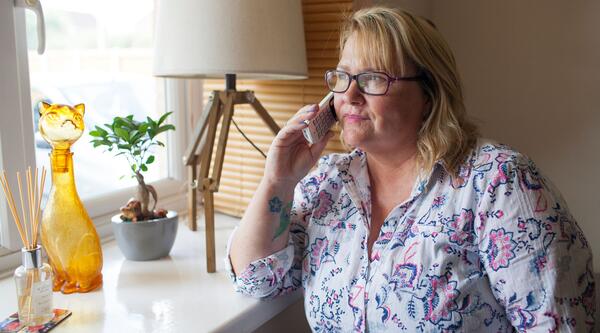
You may need help from professionals for things like cleaning, gardening or repairs. This support can help you live independently. But it’s important to stay safe when someone you don’t know well visits your home.
Some people may try tricks or scams, especially with those who are more vulnerable. They might:
- pretend to be from a company
- offer fake services
- say your home needs jobs or repairs that aren’t real.
Always check who someone is before letting them in. Tradespeople should have an appointment and show their ID. If you’re not sure, close the door and phone the company using a number you find yourself. A genuine visitor will understand.
Tips for managing visitors to your home
- Consider installing a peephole or video doorbell so you can see visitors without opening the door. These doorbells have a camera and can send images or live video to your smartphone.
- You don’t have to open the door if you don’t know the person.
- If you arrange a visit from a tradesperson, have someone with you at home if you can.
- Ask someone you trust if a tradesperson suggests something that seems too good to be true.
- Don’t feel you have to agree to anything or sign a contract on the spot.
- Consider putting a ‘no cold callers’ sign on your front door. Some councils provide these.
- You can search for a local tradesperson on the TrustMark website.




Keep important information to hand in case of emergencies or urgent situations. Let a family member or friend know where it is. Include details such as where to find the:
Keep ICE (in case of emergency) numbers in a visible place, like near a phone or on the wall. These numbers should be for people to contact in an emergency, such as a partner, carer, friend or family member.
It is also helpful to have a list of your utility companies and their contact details.
It’s a good idea to sign up to the Priority Services Register. You can receive extra support and emergency help if you’re ever without gas, water or electricity.
If you have a smartphone, you can use it to save your medical information or details of people to contact. In an emergency, services can access this. Use the relevant settings or app on your phone to do this.
You can also buy items of jewellery that can be engraved or printed with important details. This includes your diagnosis or any medication you take. Services and products are available from companies such as MedicAlert®.
Also consider joining the Message in a Bottle scheme. In an emergency, this helps professionals find relevant information about you, such as: