

 Dementia Support Line
Real stories
Providing dementia day care in home settings
The Filo Project supports paid hosts to open their homes to groups of older people with dementia and other conditions.
‘When we were looking for a name for our not-for-profit dementia care service, we came up with the Filo Project,’ says Libby Price.
‘Like the pastry there are so many layers to memory, and the Greek word “filo” means love and care, so it seemed to fit.’
Libby and co-founder Liz Dennis set up the Filo Project 11 years ago. The idea was sparked when Libby met Liz at the home-based dementia groups she ran.
Liz spent six months shadowing Libby’s groups in Devon while working on her PhD about the benefits of music for people with dementia.
‘The charity that ran these groups decided to stop them, but we could see the value and that’s where the idea for the project came from,’ says Libby.
‘When you have dementia you may not have the same friendships. But coming to the groups, people can keep social connections and many say it feels like family.’
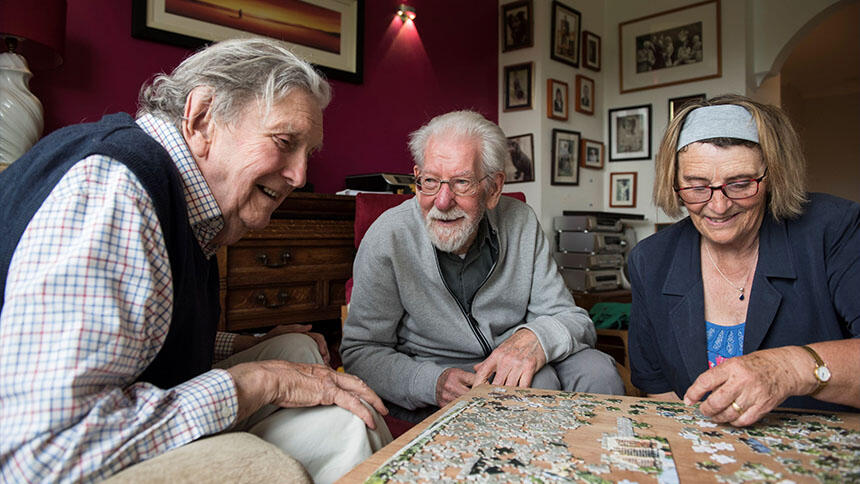
Photo: Hannah Maule-Ffinch
How the Filo Project works
The Filo Project is a community interest company – a kind of registered social enterprise. This means that any profits are reinvested to help more people.
From two groups the project has blossomed to 100 in Devon, Cornwall, Somerset, Dorset and East Lancashire. Over 5,000 people have benefited from its unique approach.
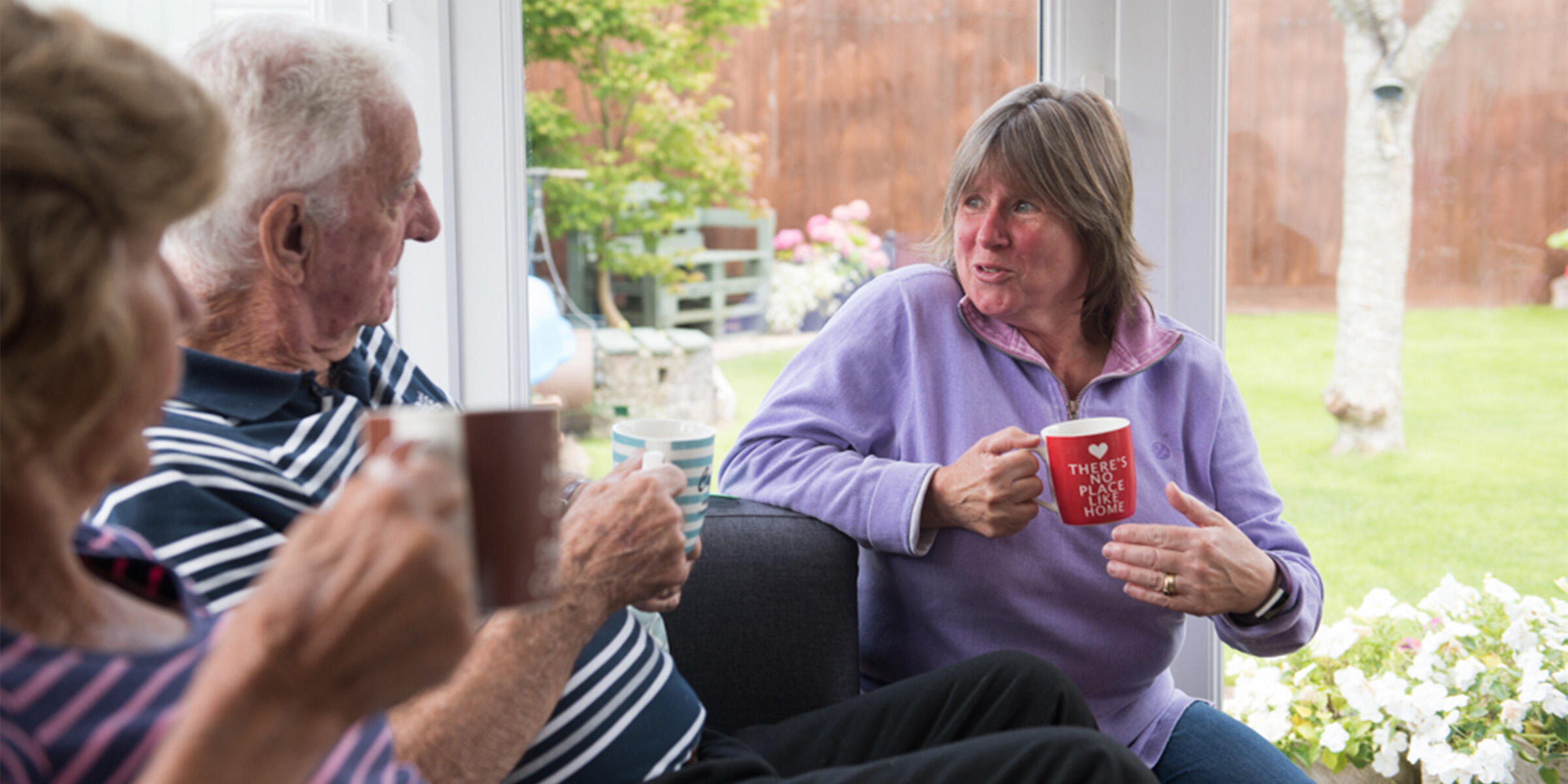
The project’s hosts are paid, trained and supported to welcome a group of people with cognitive impairment or dementia into their own homes up to three times a week.
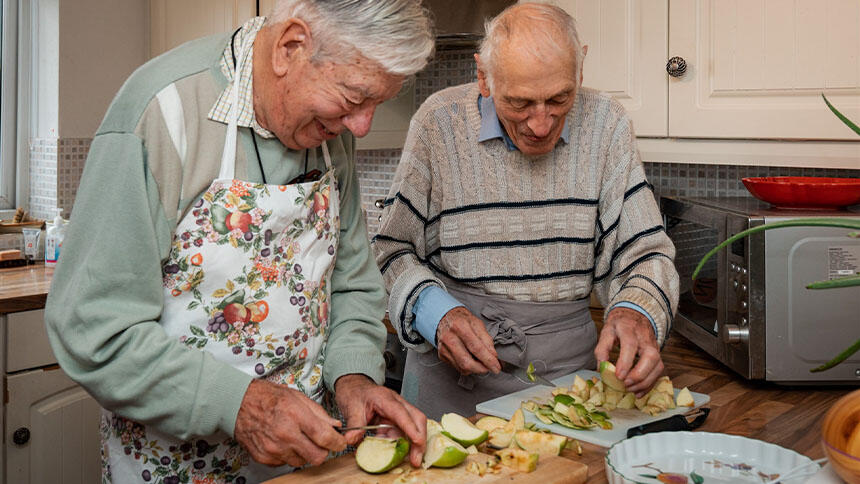
Groups include up to five people and sessions last for six hours. They normally start with coffee or tea and a chat, followed by activities, games and lunch. Clients can be any age, but most are in their 80s or 90s.
Hosts collect and return clients each day, which is particularly helpful in rural areas.
Janet Lyth began hosting in Cornwall a couple of years ago after looking for a rewarding use of her time in retirement.
‘My daughter is an area co-ordinator for the Filo Project and it sounded like a win-win, as it helps people with dementia and their families.’
Janet says the advantage of home-based groups is the size.
It means it’s not too noisy and people can talk to each other.
‘It is nice for people to share their stories. There is a lot of laughter and, when they are at the group, they are not someone with Alzheimer’s disease – just someone who is there to have a nice time.’
The benefits of group activities
Libby says the value of groups like this is underestimated. They keep people well for longer, reducing hospital admissions and having great personal impact.
‘People write to us to say what a huge difference the groups have made.
At a time when people feel very alone, they feel held.
‘Symptoms alleviate and exhausted carers get a real chance to recharge.’
Host Merle Weiner worked in the care industry for 20 years before joining the Filo Project five years ago and found the approach refreshing.
‘What we do is very person-centred,’ she says. ‘I am an assessor for Filo and find out as much as we can about people to place them in the right group.
‘Sometimes I run five different activities at once. The most important thing is that people feel safe and comfortable. They are with friends and enjoy their day.’
The project recently launched free telephone support for carers of current clients. It’s also setting up a paid service that’s open to all, offering dementia wellbeing advice.
Libby and Liz are thinking about how they can offer more to people in the early stages of cognitive decline.
‘Some people may not be ready for dementia services,’ explains Libby, ‘but they still need social connection and early doors support is crucial.’
Taking a break from caring
For the past year, Michael Staunton has experienced the benefits of Filo’s approach first-hand. He describes the groups as a lifesaver.
‘My wife Avril goes twice a week and comes back from her Filo day exhilarated,’ says Michael, from Bridgwater in Somerset.
‘It is positive for her, and it is great for me because it gives me time to get on with all the admin and voluntary work, which I would struggle to do otherwise.
‘The hosts are the most lovely people and are so concerned for me and Avril. They’ve really taught me what love is.’
Find support near you
From activities and social groups to dementia-friendly transport, our dementia directory can help you find support services local to you.