

 Dementia Support Line
Advice
Gas, heating and energy tips for people affected by dementia
Keeping safe and warm at home is important for everyone, including people living with dementia and their carers.
Managing energy usage when you have dementia
People living with dementia spend an average of 22 hours a day at home. It's important that they feel safe, warm and secure there. Managing energy usage and bills is a bit part of that.
The confusion and forgetfulness that dementia typically brings means some people can be more vulnerable to overconsumption and mismanagement of their energy. They might forget to turn lights off or accidentally set the heating too high or too low, and could face higher gas and electricity bills as a result.
Our research with 1,368 people affected by dementia found that one in three had cut back on essentials such as food and transport to keep up with energy bills, and 65% said they forget to switch off appliances or lights.
It’s also important to prepare for winter months early, before cold weather hits and things become more urgent. Getting your boiler serviced or checked can help avoid breakdowns when you need heating most and ensure your home stays warm and safe.
Understanding how to use gas efficiently, stay safe, and access support can make a big difference to comfort, wellbeing and peace of mind. There are some helpful tips and services to explore below.

1. Using energy efficiently at home
Small changes can help reduce energy use and keep gas and electricity bills manageable, for example:
- Keep the heat in: Close curtains at dusk and use draught excluders to keep warmth inside
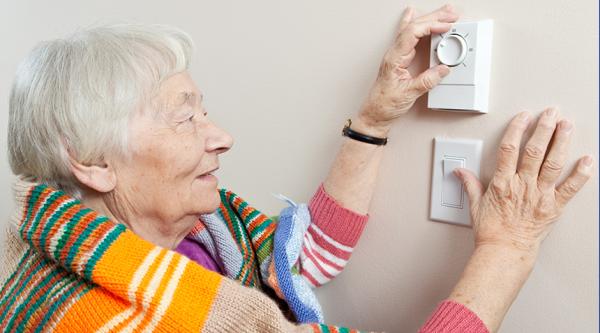
- Set the thermostat: Aim for a comfortable temperature—around 18–21°C in living areas
- Use timers: Setting the heating to come on just before waking up or returning home can help avoid unnecessary use
- Boiler checks: Arrange an annual boiler service with a Gas Safe registered engineer. Some suppliers offer free gas safety checks to eligible customers.
If remembering to adjust the heating is difficult, consider a smart thermostat or a simple programmable timer that can be set and forgotten.
2. Help with heating costs: grants and benefits
You may be eligible for financial support with heating costs and energy bills. Eligibility varies depending on your age, benefits, household circumstances and where you live:
- Winter Fuel Payment: Between £100 and £300 to help people over state pension age with heating bills. Most eligible people receive it automatically. If your individual income is over £35,000, HMRC will take the payment back.
- Cold Weather Payment: £25 for each qualifying seven-day period when the average temperature in your area is recorded as or forecast to be 0°C or below. Payments are automatic for people receiving qualifying benefits who meet the relevant conditions.
- Warm Home Discount: A one-off £150 discount on electricity bills for eligible households. The rules depend on where you live, your benefits and whether your supplier participates. The scheme is not available in Northern Ireland.
- Help to make your home warmer: Government or local schemes may offer support with insulation, heating improvements or other energy-saving measures. Ask your local council or energy supplier what is available in your area.
Check the latest eligibility criteria and whether you need to claim on GOV.UK or by contacting your energy supplier or local council.
3. Join the Priority Services Register
The Priority Services Register (PSR) is a free support service for people in vulnerable situations, including those living with dementia.
By joining, you can receive:
- Advance notice of planned service disruptions to your gas, water or electricity
- Priority support in emergencies, including alternative heating and cooking arrangements
- Help with meter readings if you need it
- Accessible communication formats (like large print or braille).
You can also nominate a trusted contact to be added to your record. Support varies by provider and your needs. Ask your energy supplier separately whether you qualify for a free gas safety check. This is not a boiler service.
You can ask to join the PSR through your Gas Distribution Network, energy supplier or electricity network operator. This will cover your gas, water and electricity services all in one sign-up.
Our Dementia Support Line or your Dementia Adviser can help you with the registration process and get you signed up.
To find out which Gas Distribution Network covers your area, please visit Find My GDN and then sign up via their website:
Staying safe and secure at home
Advice for keeping safe at home when you have dementia, including tips for those who live alone and with others.
4. Gas and carbon monoxide safety
Carbon monoxide (CO) is a colourless, odourless gas that can be dangerous. Here’s how to stay safe:
- Fit a carbon monoxide alarm in each room with an appliance that burns gas, oil, coal or wood. Follow the manufacturer's instructions for positioning and testing the alarm.
- Know the signs of CO poisoning such as headaches, dizziness, nausea, breathlessness
- Get appliances checked annually by a Gas Safe registered engineer
- Lock cooker valves. If someone is at risk of turning on a gas cooker unintentionally or leaving it on, a locking cooker valve may help them stay safe and independent at home. It allows a carer or relative to control the gas supply to the cooker with a key, so the cooker can still be used when appropriate support is available.
Gas Distribution Networks offer free installation for eligible customers. Contact your local Gas Distribution Network to discuss whether it is suitable and how to apply or contact us to support you with your application. - If you smell gas or suspect a leak, or if your CO alarm sounds, move everyone outside into fresh air and call the National Gas Emergency Service on 0800 111 999 from a safe place.
- Do not smoke, use naked flames or turn electrical switches on or off.
- Open doors and windows if safe to do so, without delaying leaving.
- Do not re-enter until you are told it is safe.
- If you think you have symptoms of CO poisoning, seek urgent medical advice through NHS 111. Call 999 if someone is struggling to breathe, suddenly becomes confused or loses consciousness.
Helping people to stay safe at home
Alzheimer's Society partnership with Cadent Wales & West Utilities and SGN has been extended from April 2026 to March 2028. Together, we share advice and support on energy efficiency, maximising your income, the Priority Services Register and gas and carbon monoxide safety.
So far in 2026/27, the partnership has supported more than 12,500 people across over 12,000 households through more than 35,000 conversations about energy, financial support and staying safe at home.
More information and support
Call the Dementia Support Line on 0333 150 3456 to find out how our Gas Distribution Network partnership can help you with energy efficiency. You can also view and download our leaflet.