

 Dementia Support Line
Real stories
How birdwatching benefits people affected by dementia
A dementia-friendly birdwatching group in Birmingham helps people living with a dementia diagnosis, and their carers, feel calmer and more content.
RSPB Sandwell Valley is close to Birmingham’s hectic city centre, but a world away. This 25-acre oasis of calm was created in the 1980s to help encourage wildlife and nature back to the area.
A bus journey from the Bullring in central Birmingham to watch bullfinches and tens of other bird species takes just half an hour.
The reserve is a mix of wildlife-rich meadows, lakes, marshes and woodland and it offers a range of activities, including nature writing and guided walks.
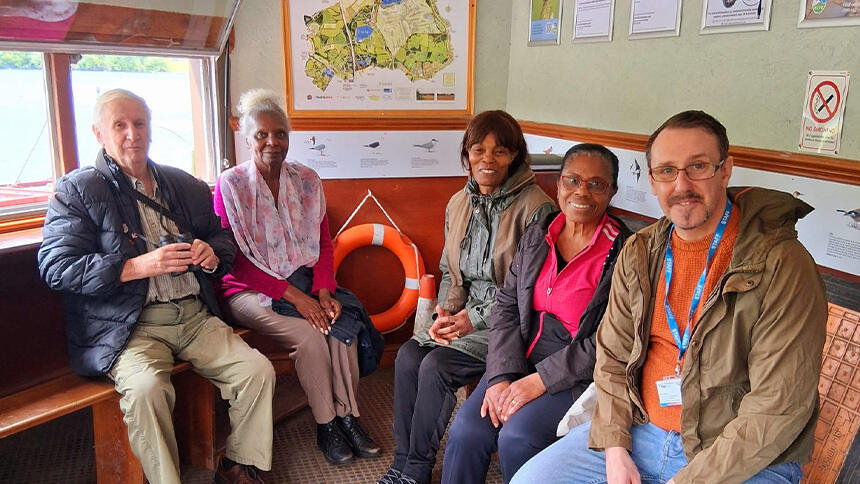
Relatively new to its events calendar is a weekly dementia-friendly birdwatching group, summed up by its founder Steve Tidman, from Age UK Birmingham, as ‘social, safe and welcoming’.
It’s all about getting people back out, enjoying nature, simple as that.
Setting up a dementia-friendly group
Steve’s inspiration for setting up the group is his nature-loving dad Jeff, who has mixed dementia.
‘My dad instilled a love of birds in me and birdwatching still brings him lots of joy. When I started working in this area of Birmingham, the idea to start a dementia-friendly group was obvious to me.
‘I came to the RPSB with the idea and they loved it – the rest, as they say, is history. We have been meeting for over a year now and, as far as I know, we’re the only group in the country for people affected by dementia.’
After drumming up interest locally and catching the attention of BBC local news, the group – people living with dementia and carers – can swell to around 20 on warmer days.
Birdwatching as therapy
You don’t need Chris Packham levels of birding knowledge or even to own a pair of binoculars – everyone’s welcome.
'The focus is on creating a safe space for members and giving them the opportunity to relax,' says RSPB volunteer Dave Footitt.
Both his late wife and his mum were diagnosed with dementia, so he also has a strong personal connection.
‘It doesn’t matter where you come from, what walk of life, you are welcome.
‘We know everyone by name and they know us by name too. It’s almost like a social club.’
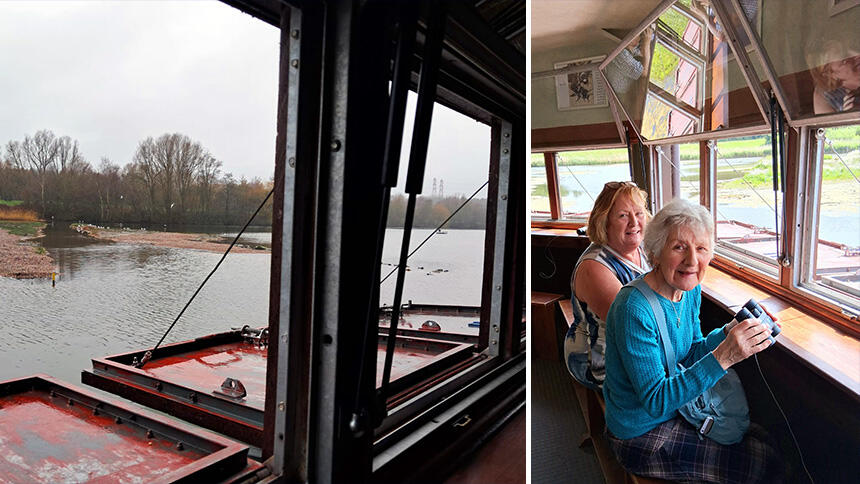
The group meet in the reserve’s visitor centre and take the short amble to an accessible hide, which overlooks a lake.
This short walk is part of the whole experience, says Steve.
‘We take it really slowly and listen to the birds, just take in the beautiful chorus of tweeting from say robins, blackbirds and goldfinches.’
Every so often a particular birdsong sparks up a memory for someone.
'In the hide, there’s no pressure to get involved and no need to be quiet too. Unlike some hides, you don’t need to sit in silence or tiptoe in,' says RSPB volunteer Colin.
‘In fact, at times, it can get quite excitable in there.
‘Over time, people have started to recognise birds and it’s a thrilling experience. Even more so when we see new bird or one that’s more elusive, like a stunning kingfisher.’
Dave says the anticipation that an unexpected species might drop into the reserve is energising.
‘It brings an added dimension every week, because two sessions are never the same.’
Nature's support for dementia carers
Just as the group’s bird identification skills have grown over the time, so have the bonds between members, says Dave.
‘Within a few weeks of the group starting, people were starting to recognise birds. They would shout out, “There’s a great crested grebe!” and you could feel the sense of satisfaction and interaction building between members.’
In Steve’s opinion, the hide is a form of therapy.
Mother Nature is the best therapist. She’s free of charge, she lets you be, she’s non-judgemental and doesn’t discriminate.
RSPB volunteer Justine has noticed how people, both those living with dementia and their carers, leave the nature reserve looking and feeling visibly relaxed.
She knows the pressure only too well. Her dad, who first sparked her interest in birdwatching, also lived with dementia.
‘Our members who have dementia may not remember what they’ve done or why they feel happy, but they still know they’re happy.
‘I know it’s very difficult when you’re caring for a person who’s living with dementia, it can be so overwhelming.
This group gives carers a bit of respite, bringing them into contact with other people that are in the same position and there’s a sense of togetherness.
Group member Linda agrees. ‘It’s so nice to be around people who understand. Everyone is very kind and helpful, it’s calming and peaceful.’
Pauline loved coming here with her husband, who had mixed dementia.
‘We found great joy in visiting the hide, looking at the expanse of water and all the types of birds coming through and trying to identify them.
‘It is a restful and calming place. My husband has recently died but I will continue to visit as it’s also a place for reflection.’
Mental health benefits of birding
Everyone involved in running the group would like to see its model rolled elsewhere.
‘I’d love to see it grow as an activity at other nature reserves,’ says Steve.
Our other great hope is that there will be more research on the benefits of birdwatching for people affected by dementia.
‘We’ve had researchers from the University of Birmingham visit us already and we’re waiting to find out what they discovered.’
In the meantime, Steve is focused on encouraging more people to the group, especially as spring and summer approach.
‘On a warm day, with the breeze coming in from off the lake and swifts overhead, there’s no better place to be.’
Find support near you
From activities and social groups to dementia-friendly transport, our dementia directory can help you find support services local to you.