

 Dementia Support Line
Tips for keeping active and involved when you have dementia
Staying active and involved will help you to live well with dementia. Tips for keeping active include keeping things simple, reducing distractions and breaking tasks down into steps.
Keeping active and involved
- You are here: Tips for keeping active and involved when you have dementia
- Activity ideas for people with dementia
Why is it important to stay active and involved after a dementia diagnosis?
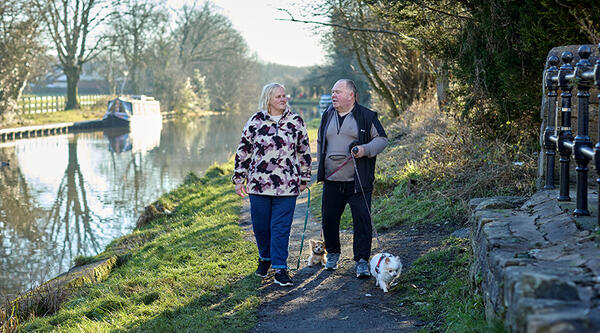
When you have dementia, it’s important to try to keep doing things that you enjoy. You’re still the same person, and you can still be active and feel involved – you just might have to do things a bit differently.
After a diagnosis of dementia, you may be worried about the future or feel less confident. You may not want to go out or take part in the things that you usually do. However, staying active and involved will help you to live well with dementia. You are still valued by others and have a lot to give to your family, friends and community.
Staying active and involved is important because it keeps you in touch, or reconnects you, with other people, and so can stop you from feeling lonely. Having people to talk to and spend time with can help you feel supported and understood. It is also reassuring to know that there are people you can reach out to for help when you need to.
Staying active can also help you:
- feel more positive, and less anxious or depressed
- raise your self-esteem and increase your confidence in your abilities
- maintain your physical, mental and social skills
- express your feelings and connect with others
- share your experiences with other people who are affected by dementia.
‘Singing is great because you feel so much better if you do it, even if you don’t feel like it.’
- A person living with dementia
Listen to our audio helpsheet below for a summary of ways a person can stay healthy and active:
Practical tips for keeping active and involved when you have dementia
Living with dementia doesn’t mean you have to stop doing what you do now. However, you may need to make small changes to make things easier, safer or more comfortable for you.
Below are some tips to help if you feel worried about doing something or if it feels difficult. These tips may also be useful when starting any new activities.
Speak to a professional when things get difficult
If certain tasks get difficult, for example getting dressed, cooking or shopping, then you may want to speak with a professional.
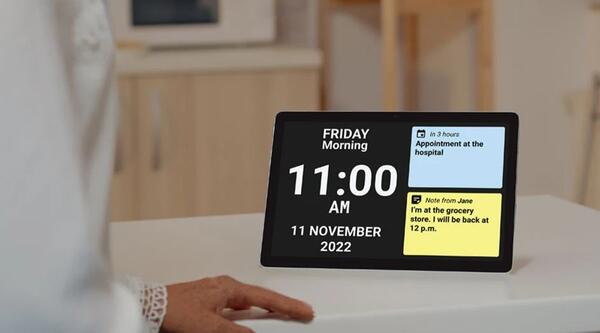
An occupational therapist can assess what’s making these things difficult – for example problems with moving, mobility or your memory. They will recommend ways for you to stay independent for longer. They can also advise on assistive technology or equipment that can make tasks easier for you.
Speak to your GP, adult social services, or another health or social care professional to arrange an assessment. The Royal College of Occupational Therapists can also help you find an independent occupational therapist (who will charge a fee) in your area.
Your local authority adult social services department will also have an independent living team who can advise you.
Don't be too hard on yourself
You may find that you can’t do things as well as you did before, or that they take much longer. You may feel frustrated or upset by this. Try to be kind to yourself. Take things at your own pace and try to accept that some of your abilities have changed.
You may need support to do some things. It can be hard to get used to this, but it’s important to keep doing what you enjoy, even if it’s with a little help.
Some days will be better than others – just as they are for everyone else.
Make your home dementia-friendly
There are many ways to create a home that supports you as a person with dementia. Read our 'Making your home dementia friendly' booklet for practical tips on making it easier to manage dementia at home.





Even tasks that seem simple, like having a bath, can be quite a complex process. Try to break the task down into smaller parts. For example, bathing involves:
It can help to keep a list of these steps. Think about each step and how you will do it. Can somebody help you with some of them?
Simplifying your routine or daily tasks will make them easier to manage. Sometimes just a small change can make a big difference, for instance setting up direct debits so that your bills are paid automatically.
There may also be equipment and technology that can help you.
For example, putting your tablets into boxes that are labelled with days or times (dosette boxes) can make it much easier to organise your medication. Your GP or pharmacist can help to arrange this.
You will enjoy something more if you can do it when you feel well. Stop if you feel tired or ill. Give yourself longer if you need to, rather than feeling rushed.
It may be easier to focus and enjoy an activity if you can give it your full attention. Try to reduce clutter and background noise (for example, switch off the TV) or go somewhere quieter if it helps you concentrate.
Look after your eyesight and hearing so that you can keep doing your day-to-day tasks and enjoying your favourite activities. If you wear glasses, make sure they are the right kind, that they fit well, and that they are clean. If you wear a hearing aid, make sure that it is working properly.
It is important to get regular sight tests and hearing check-ups. These may be free for you. Speak to your GP for more information.